Soaked drywall
Drywall may need opening or removal when it is soft, sagging, contaminated, mold-affected, or blocking access to wet cavities.
Water damage restoration guide
A safety-first homeowner guide to how restoration relates to mitigation, drying, repairs, reconstruction, and documentation after water damage.
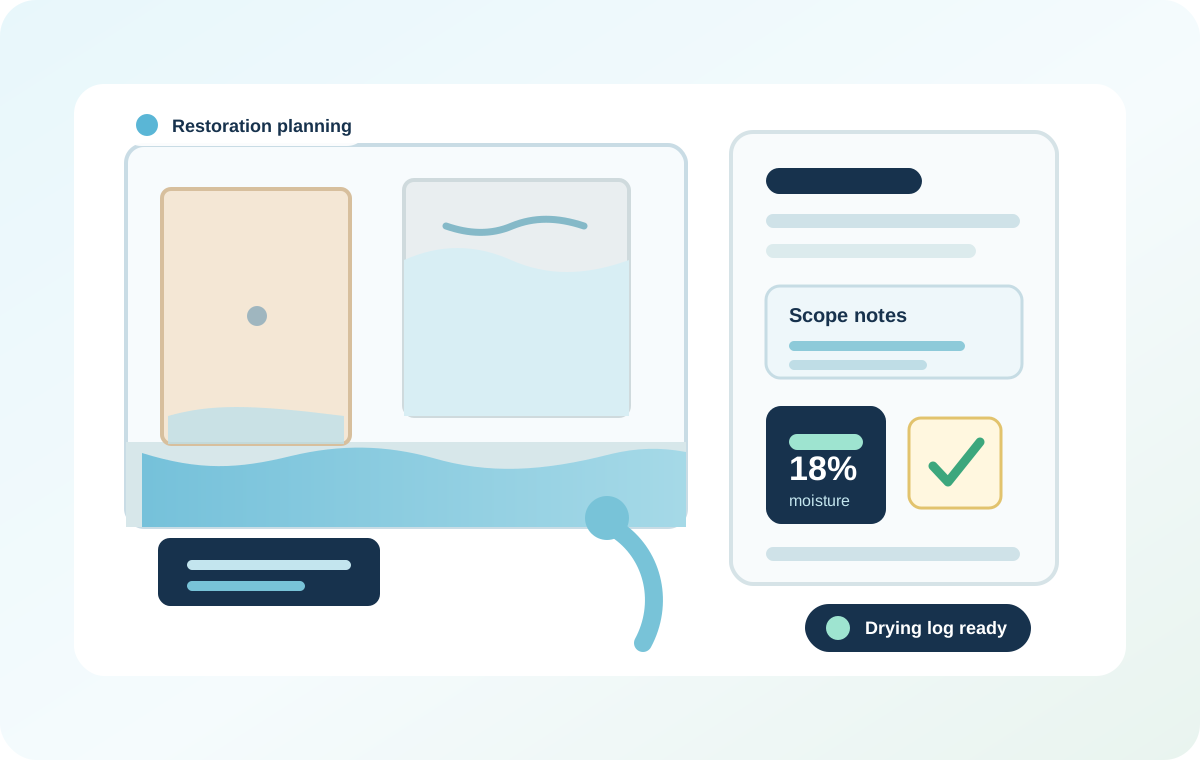
Water damage restoration is the broader process of returning affected areas toward pre-loss condition after the source is controlled, water is removed, materials are dried or removed, and repairs are planned. Extraction, mitigation, structural drying, mold-related work, contents handling, and reconstruction can be separate scopes. Restoration should not start until moisture concerns are understood. Cost and insurance review depend on the cause, water category, affected materials, timing, policy terms, written scopes, and documentation. Coverage is not guaranteed.
Restoration is not one single task. It usually moves through safety, source control, water removal, drying, material decisions, cleaning when appropriate, repair planning, and final documentation. Some steps may be handled by different providers.
| Stage | What it means | Who may handle it | What to document |
|---|---|---|---|
| emergency safety | Identify hazards before entering, including electricity, sewage, floodwater, unstable flooring, sagging ceilings, and contaminated materials. | Homeowner from a safe location, utility provider, emergency officials, plumber, electrician, or qualified water damage provider. | Unsafe areas, photos from a safe place, date, time, water depth, visible hazards, and instructions received. |
| source control | Stop or isolate the water source when it can be done safely, then plan permanent source repair if needed. | Homeowner if safe, plumber, roofer, appliance repair provider, HVAC technician, or other qualified trade. | Source location, repair notes, shutoff time, invoices, and photos of the failure point. |
| water extraction | Remove standing water or excess absorbed water from affected areas before drying decisions. | Water extraction or mitigation provider when the area is safe and the water category is understood. | Affected rooms, water depth, extraction method, equipment used, photos, and start time. |
| mitigation and drying | Limit additional damage and dry affected materials with moisture readings, air movement, dehumidification, and monitoring. | Water mitigation or drying provider when conditions and materials allow drying. | Moisture readings, drying logs, equipment count, equipment placement, and daily monitoring notes. |
| material removal if needed | Remove materials that cannot dry safely, block drying access, are contaminated, or are too damaged to remain. | Qualified mitigation, remediation, demolition, or restoration provider depending on conditions. | What was removed, why it was removed, photos before and after, disposal notes, and approvals. |
| cleaning and sanitizing when appropriate | Clean affected surfaces when the water category, material, and contamination level call for it. | Qualified cleanup, mitigation, remediation, or restoration provider depending on water category. | Cleaning scope, affected surfaces, products or methods listed in the scope, and exclusions. |
| mold evaluation when needed | Review mold concerns when materials stayed wet, odor appears, visible growth is present, or contamination is suspected. | Qualified mold assessor or remediation provider where appropriate and allowed by local rules. | Visible growth, odor notes, wet time, affected materials, assessment notes, and separate mold scope if used. |
| repair and reconstruction | Repair, rebuild, or replace damaged finishes and materials after mitigation decisions are made. | Restoration contractor, repair contractor, flooring provider, drywall contractor, cabinet provider, or other trade. | Repair estimate, reconstruction scope, materials, exclusions, change orders, and completion photos. |
| final documentation | Organize the record of the source, mitigation, drying, removal, cleaning, repair, and insurer communication. | Homeowner, insurer, adjuster, and providers involved in the claim or repair process. | Photos, estimates, invoices, drying logs, receipts, claim number, adjuster instructions, and written scopes. |
Extraction removes water from the home or affected materials. Mitigation limits additional damage and starts drying. Structural drying uses air movement, dehumidification, moisture readings, and monitoring to reduce moisture in affected materials. Restoration repairs, rebuilds, or replaces damaged materials after mitigation decisions are made. Reconstruction may be a separate repair scope, especially when drywall, cabinets, flooring, trim, insulation, or structural materials need replacement.
A restoration scope should explain what is being dried, what is being removed, what is being cleaned, and what is being repaired. Every project does not need every service.
Water Mitigation Hub does not arrange or provide services. When comparing mitigation company vs restoration company scopes, the written scope should explain what was checked, what is included, and what is separate. The contractor checklist can help organize questions before signing.
Drying may be enough for some clean-water losses caught quickly, but restoration can become more involved when materials are damaged, contaminated, hidden, unstable, or no longer likely to dry in place.
Drywall may need opening or removal when it is soft, sagging, contaminated, mold-affected, or blocking access to wet cavities.
Insulation can hold water in walls, ceilings, attics, and crawl spaces. Drying or removal depends on material, access, water category, and dwell time.
Carpet, pad, hardwood, laminate, vinyl, tile assemblies, and subfloor may require different drying, removal, or repair decisions.
Cabinets can trap moisture behind backs, toe kicks, and flooring edges, so repair may involve access, drying, or replacement decisions.
Contaminated water can change cleanup, PPE, containment, removal, disposal, and restoration decisions.
Visible growth, musty odor, long wet time, or recurring leaks may require separate mold-related evaluation before repairs proceed.
Subfloor, framing, joists, sheathing, and ceiling assemblies may need moisture checks and qualified review when saturation is suspected.
Recurring moisture can mean the source is not controlled, which can make repairs fail even if the surface looks dry.
Furniture, boxes, electronics, clothing, documents, and stored items may need separate inventory, drying, cleaning, or disposal decisions.
A wet or sagging ceiling can hide insulation, wiring, and water above drywall. Stay out from below unstable areas.
There is no guaranteed price for water damage restoration. Cost may depend on the source, water category, affected rooms, materials, water amount, drying time, removal scope, mold or sewage concerns, repair needs, reconstruction, timing, and documentation.
| Factor | Why it matters |
|---|---|
| source of water | A supply leak, appliance overflow, roof leak, drain backup, sewage, floodwater, or long-term leak can change the scope. |
| water category | Clean water, gray water, sewage, floodwater, and unknown water require different safety, drying, cleaning, and disposal decisions. |
| room count | More rooms, levels, closets, cabinets, and concealed spaces usually increase inspection, drying, and repair work. |
| affected materials | Drywall, flooring, insulation, cabinets, trim, contents, subfloor, and ceilings all behave differently after water exposure. |
| amount of water | Standing water, soaked carpet, and water under flooring can add extraction and monitoring needs. |
| drying time | Drying depends on material, humidity, temperature, airflow, dehumidification, access, and moisture readings. |
| demolition scope | Material removal may be needed for access, contamination, saturation, mold concerns, or materials that cannot dry in place. |
| mold or sewage concerns | Containment, PPE, cleaning, disposal, and separate remediation scope can affect the project. |
| flooring and drywall repair | Replacement, texture, paint, flooring transitions, and finish matching can be separate from mitigation. |
| cabinets and contents | Cabinet repair, contents handling, storage, and cleaning can add separate decisions and documentation. |
| reconstruction | Rebuild work may involve drywall, trim, flooring, paint, cabinets, doors, and other finish materials. |
| emergency timing from actual providers | Night, weekend, holiday, or storm-event work may affect provider pricing and availability. |
| insurance documentation | Photos, readings, drying logs, estimates, invoices, and change orders take time and may support claim review. |
Insurance may review documentation, but coverage is not guaranteed. Ask your insurer what to document before materials are removed when it is safe to wait and photograph first.
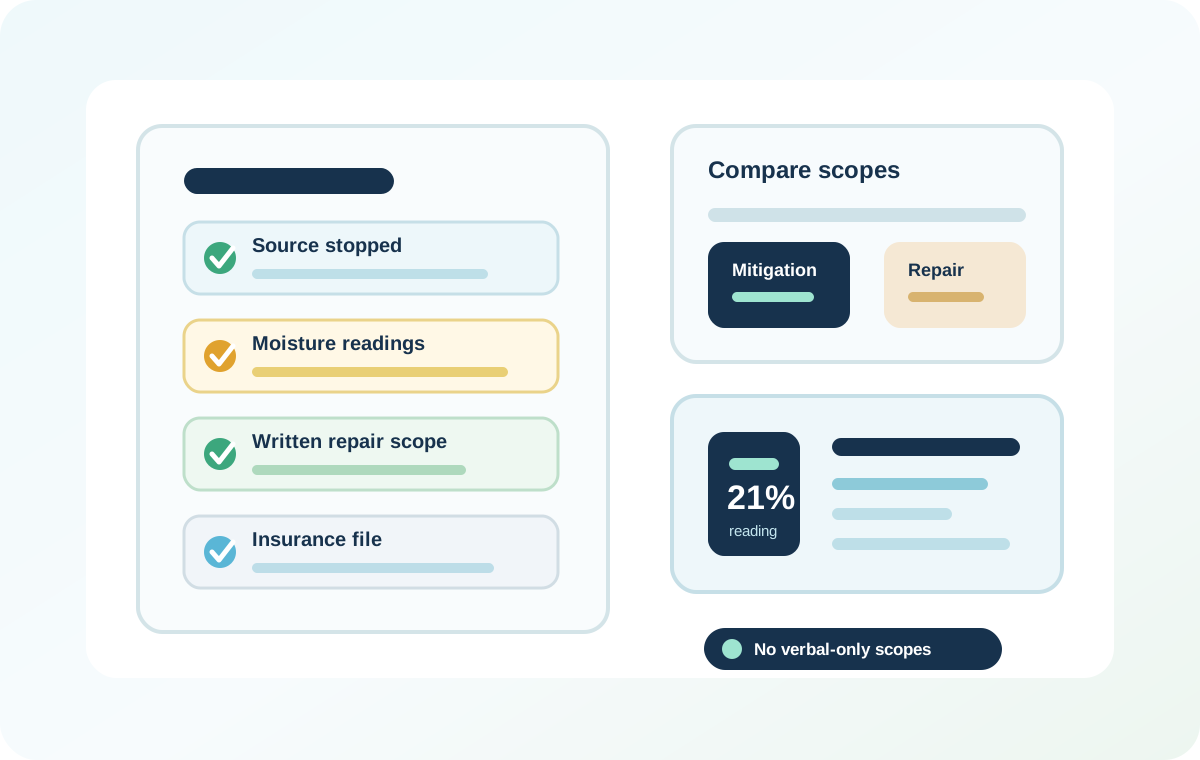
Ask clear questions before signing a work authorization, mitigation scope, drying scope, demolition approval, restoration estimate, or reconstruction contract. The answers should separate water removal, drying, cleaning, remediation, repairs, and insurance paperwork.
| Question | Why to ask |
|---|---|
| What caused the water damage? | The source affects safety, water category, source repair, coverage review, drying access, and repair needs. |
| What water category is involved? | Clean water, gray water, sewage, floodwater, and unknown water can change PPE, cleaning, disposal, and material decisions. |
| Has the source been stopped? | Repairs can fail if the leak or moisture source continues. |
| What is mitigation and what is restoration? | Ask each provider to separate drying, removal, cleaning, repair, reconstruction, and documentation. |
| What materials can dry in place? | Drying decisions should be tied to material type, water category, access, and moisture readings. |
| What materials may need removal? | Removal may be needed for saturated, contaminated, damaged, hidden, or mold-concern materials. |
| Are mold-related services separate? | Mold assessment or remediation may be a separate scope, provider, or authorization. |
| Are repairs and reconstruction separate? | Some providers separate mitigation from rebuild, flooring, cabinets, paint, and finish repairs. |
| Will moisture readings be documented? | Readings and drying logs help show what was wet and how drying progress was evaluated. |
| What is excluded? | Source repair, contents, mold-related work, upgrades, code items, permits, or reconstruction may be excluded. |
| What documentation goes to insurance? | Ask for photos, readings, drying logs, estimates, invoices, and signed scopes. |
| Who handles supplements or scope changes? | Unexpected hidden damage should be documented with written change orders or supplemental estimates. |
These references are included for general homeowner education about cleanup safety, moisture, drying, flood recovery, documentation, and water damage restoration standards. They are not advertisements, contractor recommendations, legal advice, insurance advice, or guarantees.
Start with the Water Mitigation Hub homepage, water damage cleanup, water extraction services, emergency water removal, and emergency water mitigation. Compare process, cost, providers, and paperwork with the mitigation process before restoration, water mitigation cost, mitigation company vs restoration company, the contractor checklist, and the insurance checklist.
Restoration planning often connects to flooded basement cleanup, burst pipe water damage, appliance overflow water damage, sewage backup cleanup, drywall water damage, mold after water damage, wet insulation water damage, carpet water damage, and hardwood floor water damage. Browse every published guide in the sitemap.