Insurance coverage guide
Does Homeowners Insurance Cover Water Mitigation?
Learn when water mitigation may be reviewed by homeowners insurance, what exclusions can apply, and what records to save before, during, and after cleanup.

Updated July 8, 2026
Informational resource only
Water Mitigation Hub is an independent informational homeowner resource. It is not an insurance company, public adjuster, attorney, water mitigation company, restoration company, mold company, plumber, roofer, HVAC company, contractor, dispatch service, lead-gen matcher, or claim approval service. We do not file claims, negotiate claims, inspect homes, provide quotes, rank contractors, send crews, or guarantee coverage outcomes.
Answer-first intro
Homeowners insurance may cover water mitigation when the damage comes from a sudden, covered cause of loss. Coverage depends on policy terms, cause of loss, exclusions, deductible, endorsements, documentation, timing, and insurer review. Safety comes first, documentation comes second, and the insurer controls the coverage decision. Stop the source when safe, avoid unsafe water or electrical hazards, photograph damage from a safe location, save receipts, and ask your insurer what records they need.
What this page is and is not
This page is a homeowner education guide about water mitigation coverage questions. It is not legal advice, insurance advice, claim filing, claim negotiation, inspection, service, dispatch, contractor ranking, public-adjuster guidance, or claim approval. Use it to organize questions and records before speaking with your insurer or qualified help.
Use this page for
Coverage questions, documentation planning, mitigation records, insurer questions, and safer homeowner decisions.
Do not use it for
Policy interpretation, legal advice, claim negotiation, unsafe cleanup, or any promise that an insurer may cover a bill.
Safety before documentation
Do not enter unsafe areas just to take photos. If water is near electricity, sewage, floodwater, sagging ceilings, unstable flooring, gas smell, or structural movement, stay back and document only from a safe place. Emergency services, your utility provider, a plumber, or qualified cleanup help may be needed depending on the hazard.
- Avoid standing water near outlets, cords, switches, light fixtures, appliances, and breaker panels.
- Stay away from sewage, floodwater, strong odors, sagging ceilings, unstable flooring, and structural movement.
- Stop the source when safe, such as using a shutoff valve, or contact a qualified trade when source control is not safe.
- Take photos and videos only from a safe location.
- Save receipts and notes for temporary repairs, cleanup supplies, lodging, and source repair work.
Quick answer: when water mitigation may be covered
Water mitigation may be reviewed for coverage when it is tied to a sudden and covered water damage event. The same mitigation bill can be treated differently depending on source, timing, water category, materials, policy language, and documentation.
- Sudden burst pipe
- Sudden appliance supply line failure
- Covered interior plumbing leak
- Certain roof leak situations depending on policy facts
- Emergency mitigation to reduce further damage when the underlying loss may be covered
- Water extraction, drying, and documentation that the insurer may evaluate
Emergency mitigation to reduce further damage may be reviewed, but there is no coverage promise. Ask your insurer what they need before major cleanup when it is safe to wait.
Situations that may be excluded or limited
Some water damage situations may be excluded, limited, or handled under separate coverage. Policy language matters, so ask your insurer about the specific cause and any endorsements.
- Floodwater or groundwater
- Sewer backup without an endorsement
- Long-term leak
- Wear and tear
- Maintenance issue
- Mold limits
- Gradual seepage
- Pre-existing damage
- Policy-specific exclusions
Homeowners insurance vs flood insurance
A common claim question is whether water came from inside the home or from outside flooding. Standard homeowners policies and flood policies are usually different products. This is not a recommendation to buy or avoid any policy. It is a reminder to ask which policy applies to the facts.
| Water situation | Possible coverage issue | Documentation to save | Question to ask the insurer |
|---|---|---|---|
| Sudden indoor plumbing water | A sudden pipe break or covered interior plumbing event may fall under homeowners insurance, depending on policy language and facts. | Source photos, repair notes, affected rooms, mitigation scope, moisture readings, drying logs, and invoices. | Does this indoor plumbing event appear to fall under my homeowners policy? |
| Appliance supply line or overflow | A sudden supply line failure or appliance overflow may be reviewed differently from wear, maintenance, or repeated leakage. | Appliance photos, shutoff notes, repair invoice, water path, affected materials, and mitigation records. | Do you need appliance repair notes or supply line photos before cleanup? |
| Outside floodwater | Water entering from outside flood conditions is generally handled separately from standard homeowners coverage and may involve flood insurance. | Flood photos, water line, damaged contents, cleanup records, flood policy details if applicable, and insurer instructions. | Is this reviewed under homeowners insurance, flood insurance, or another policy? |
| Groundwater or seepage | Groundwater, seepage, or drainage problems may be excluded or limited by many policies. | Photos, source observations, drainage notes, foundation or basement records, and any professional findings. | Does the policy exclude seepage, groundwater, or drainage-related water? |
| Sewer backup | Sewer backup may require an applicable endorsement and can have limits or exclusions. | Safe photos, plumber notes, cleanup scope, disposal records, and policy endorsement details if available. | Do I have sewer backup coverage, and what limits or exclusions apply? |
What mitigation costs insurers may review
Insurers may review whether mitigation costs were reasonable for the covered event, documented, and separated from restoration or rebuild work. For broader cost factors, see the water mitigation cost guide.
| Cost item | Why it may appear | Records to keep |
|---|---|---|
| Extraction | Standing water and absorbed water may need removal before drying decisions can be made. | Equipment used, rooms treated, water category, start and stop times, and photos. |
| Drying equipment | Air movers and dehumidifiers may be placed to control moisture after extraction. | Equipment count, placement photos, dates used, and drying logs. |
| Air movers | Air movement may be used to help evaporate moisture from affected materials. | Air mover count, placement, dates used, and any equipment changes. |
| Dehumidification | Humidity control can be part of limiting additional moisture damage. | Humidity readings, equipment notes, and monitoring visits. |
| Moisture readings | Readings can help document affected materials and drying progress. | Room-by-room readings, material notes, and final drying verification if provided. |
| Controlled demolition | Limited removal may be needed when materials cannot dry safely or access is required. | Written scope, photos before removal, material list, and approval notes. |
| Antimicrobial treatment when appropriate | Some jobs may include cleaning or treatment decisions based on water category and materials. | Product notes, affected areas, reason for use, and safety documentation. |
| Disposal | Contaminated or damaged materials may need removal and disposal. | Material photos, disposal notes, and itemized invoice details. |
| Monitoring visits | Follow-up visits may document drying progress and equipment adjustments. | Visit dates, readings, equipment changes, and technician notes from the provider. |
| Documentation | Insurers may ask for photos, invoices, moisture records, estimates, and repair notes. | A complete claim file with dates, names, receipts, scopes, and logs. |
| Restoration and rebuild | Repairs, finish work, and reconstruction are usually separate from mitigation. | Separate restoration estimate, repair scope, and change orders. |
What a company/professional may check
A qualified company or professional may check the water source, water category, affected rooms, moisture readings, flooring, drywall, baseboards, insulation, cabinets, ceilings, crawl space, attic, drying equipment, material removal decisions, and documentation package. Water Mitigation Hub does not perform these checks, arrange services, inspect homes, provide mitigation, or send providers.
| Check item | Why it can matter | Record to ask for |
|---|---|---|
| water source | Helps separate sudden events, repeated leaks, outside water, and unknown sources. | Source notes, photos, and trade repair records. |
| water category | Clean water, gray water, sewage, and floodwater can change safety and material decisions. | Written category notes and basis for the decision. |
| affected rooms | Water can travel under walls, floors, cabinets, and rooms below. | Room list, photos, and moisture map if provided. |
| moisture readings | Readings can support drying decisions and show whether materials remain wet. | Initial, daily, and final readings when available. |
| flooring | Carpet, pad, hardwood, laminate, tile assemblies, and subfloor can behave differently. | Flooring notes, extraction records, and subfloor checks. |
| drywall and baseboards | Drywall can wick water above the visible line and conceal wet cavities. | Moisture readings, photos, and removal scope if needed. |
| insulation | Wet insulation may hold moisture and may not be visible from the room side. | Insulation location, access notes, and removal or drying decision. |
| cabinets | Cabinets and toe kicks can trap water and hide swelling or microbial concerns. | Cabinet photos, material notes, and cavity checks. |
| ceilings | Wet ceilings can involve sagging, hidden cavities, insulation, and electrical fixtures. | Ceiling photos, safety notes, and access findings. |
| crawl space or attic | Water may spread into spaces that are hard for homeowners to inspect safely. | Access notes, moisture findings, and photos. |
| equipment needs | Equipment placement and runtime can affect both drying and billing records. | Equipment list, placement plan, and drying logs. |
| material removal decisions | Removal decisions may affect cost, claim records, and later repairs. | Written scope, photos before removal, and approval notes. |
| documentation package | A clear package can help the homeowner and insurer evaluate the claim file. | Photos, readings, logs, invoices, estimates, and notes. |
If you are comparing help, use the contractor checklist and the guide to comparing a water mitigation company.
Insurance documentation checklist
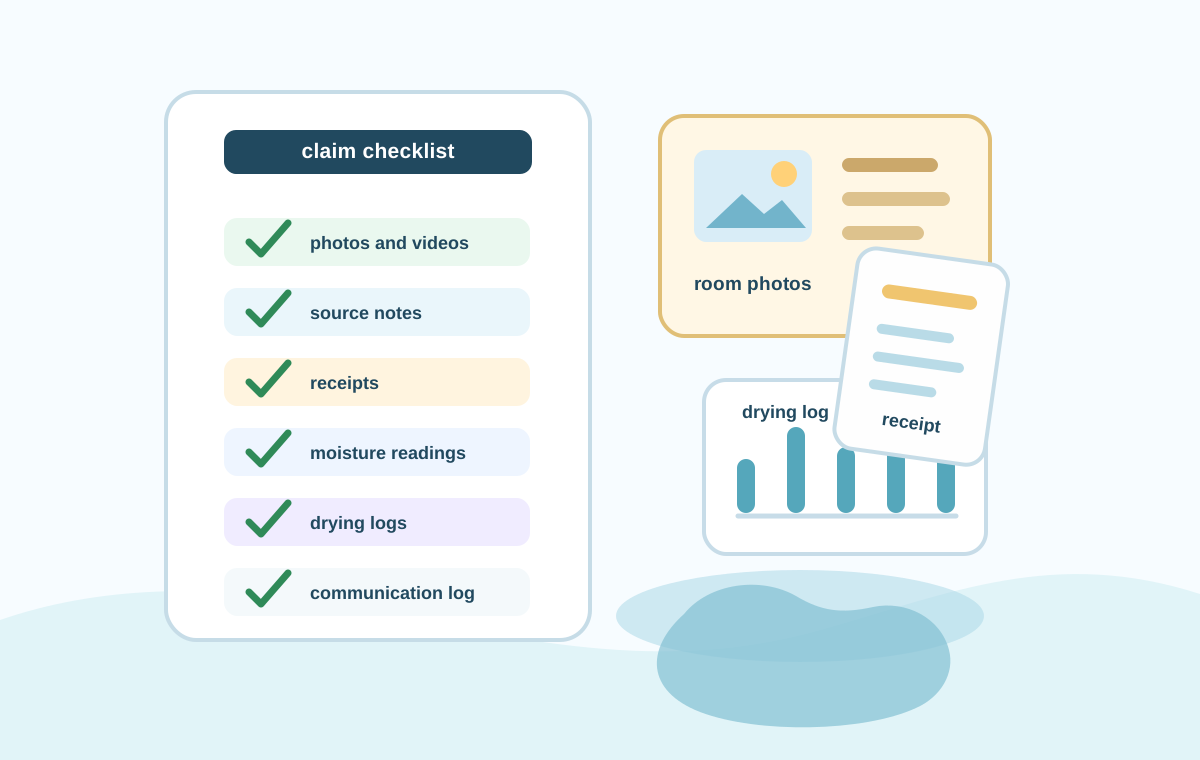
Keep one claim file with the records below. This same visible checklist is used for the ItemList schema on this page.
- photos
- videos
- source notes
- date and time discovered
- affected rooms
- damaged items
- receipts
- temporary repair records
- plumber, roofer, or HVAC notes when relevant
- mitigation scope
- equipment list
- moisture readings
- drying logs
- invoices
- claim number
- adjuster notes
- communication log
Questions to ask your insurer
| Question | Why to ask |
|---|---|
| Does this cause of loss appear to be covered under my policy? | The insurer controls coverage decisions and can explain what policy terms may apply. |
| What is my deductible? | The deductible can affect out-of-pocket cost even when some work is covered. |
| Can emergency mitigation begin before the adjuster inspection? | Water damage can worsen quickly, but documentation and insurer instructions matter. |
| What documentation do you need? | Ask how to submit photos, invoices, moisture readings, drying logs, and repair notes. |
| Should damaged materials be kept? | Ask before discarding items unless safety requires immediate removal. |
| Are preferred vendors optional? | Some policies or insurers may offer vendor programs, but homeowners should understand choices and obligations. |
| Does my policy include sewer backup coverage? | Sewer backup may require a separate endorsement or have limits. |
| Does my policy include flood coverage? | Floodwater is generally separate from standard homeowners coverage. |
| Are mold or additional living expense benefits limited? | Mold and temporary housing benefits can depend on policy terms and facts. |
| How should documents be submitted? | Keep a record of upload portals, emails, claim numbers, and adjuster instructions. |
Questions to ask a mitigation company
| Question | Why to ask |
|---|---|
| Can I review the written scope before work expands? | A written scope helps separate emergency mitigation, drying, demolition, and restoration. |
| What water category is involved? | Water category affects safety, drying, cleaning, and removal decisions. |
| Which rooms and materials are affected? | A room-by-room list can help compare the scope with photos and readings. |
| How many pieces of equipment will be used and for how many days? | Equipment count and days can affect cost and documentation. |
| Will moisture readings be documented? | Readings help support drying decisions and show progress over time. |
| Will drying logs be provided? | Drying logs can show monitoring visits, equipment changes, and final status. |
| What demolition is being requested? | Ask what removal is needed, why, and how approval will be documented. |
| How are change orders handled? | Changes should be written and explained before the scope grows. |
| What is excluded? | Exclusions reduce confusion about repair, contents, mold, plumbing, roofing, or reconstruction work. |
| What insurance documentation package will I receive? | Ask for photos, readings, logs, invoices, estimates, and material notes. |
Common mistakes to avoid
| Mistake | Why it can create problems | Safer move |
|---|---|---|
| Entering unsafe water | Electrical, sewage, floodwater, gas, ceiling, and structural hazards can be serious. | Stay out and document only from safe locations. |
| Assuming coverage | Coverage depends on policy terms, cause, exclusions, deductible, endorsements, timing, documentation, and insurer review. | Ask the insurer specific coverage questions and keep notes. |
| Waiting too long to stop the source when safe | Continuing water can make damage worse and complicate the timeline. | Shut off the source when safe or document qualified help contacted. |
| Throwing away items too early | Missing photos or item records can weaken the claim file. | Photograph first when safe and ask the insurer what to keep. |
| Signing unclear authorization | Vague paperwork can blur mitigation, restoration, mold-related work, and repairs. | Ask for written scopes, exclusions, fees, and change-order rules. |
| Approving rebuild before drying verification | Repairs over damp materials can create future problems. | Ask for moisture readings and drying status before repairs. |
| Confusing mitigation and restoration | Mitigation limits damage and dries materials, while restoration repairs or rebuilds. | Keep estimates and invoices separated by scope. |
| Losing receipts | Receipts can support temporary repairs, supplies, source repairs, and lodging records. | Save digital and paper copies in one claim file. |
| Poor communication log | Dates, names, and instructions can be hard to reconstruct later. | Record insurer, adjuster, contractor, and trade conversations. |
Scenario table
These examples show why documentation differs by source. They are not coverage promises.
| Situation | Possible insurance issue | Documentation to save | Question to ask insurer |
|---|---|---|---|
| burst pipe | Sudden plumbing event, source repair, and affected materials. | Pipe repair invoice, photos, mitigation scope, readings, and drying logs. | Ask whether the cause of loss and mitigation scope are being reviewed under your policy. |
| water heater leak | Sudden failure can be different from corrosion, wear, or long-term leakage. | Photos of the heater, source repair, water path, and affected rooms. | Ask how the insurer treats appliance or equipment failure and resulting water damage. |
| appliance overflow | Source, duration, water path, and maintenance facts can matter. | Appliance notes, shutoff time, photos, and mitigation records. | Ask whether supply line, overflow, or appliance issues are treated differently. |
| ceiling leak from plumbing | Wet ceiling materials can hide water, insulation, and electrical concerns. | Ceiling photos, room above, plumbing repair notes, and moisture readings. | Ask what access, drying, and repair documentation the insurer needs. |
| roof leak | Some roof-related water situations depend heavily on policy facts and maintenance history. | Roof photos, roofer notes, interior damage photos, and temporary repair receipts. | Ask what roof, storm, wear, and interior damage terms may apply. |
| flooded basement from outside water | Outside floodwater is generally separate from standard homeowners coverage. | Water line, exterior source photos, damaged contents, and cleanup records. | Ask whether flood insurance or another policy may apply. |
| sewer backup | Coverage may depend on a sewer backup endorsement and policy limits. | Backup photos from a safe location, plumber notes, cleanup scope, and disposal records. | Ask whether sewer backup coverage, limits, and exclusions apply. |
| mold after water damage | Mold coverage may be limited and depends on cause, timing, and policy terms. | Moisture timeline, photos, drying records, and professional notes if used. | Ask whether mold-related limits, exclusions, or separate scopes apply. |
When to get qualified help
Professional evaluation may be needed when water is near electricity, sewage or floodwater is involved, ceilings or floors are unstable, water has entered wall or floor cavities, insulation is wet, multiple rooms are affected, materials remain wet, the water source is unclear, or documentation requires moisture readings and drying logs. Water Mitigation Hub does not provide inspections, mitigation, restoration, mold remediation, dispatch, quotes, or contractor matching.
Helpful references
FAQ
Does homeowners insurance cover water mitigation?
Homeowners insurance may cover water mitigation when the water damage comes from a sudden, covered cause of loss, such as some burst pipe or interior plumbing events. Coverage depends on policy terms, exclusions, deductible, endorsements, timing, documentation, and insurer review.
Is emergency water mitigation covered by insurance?
Emergency mitigation may be reviewed when it is reasonable and tied to a covered water damage event, but coverage is not automatic. Ask the insurer what documentation is needed, whether mitigation can start before the adjuster visit, and how invoices and drying logs should be submitted.
Does insurance cover water extraction and drying equipment?
Extraction and drying equipment may be part of a mitigation invoice that an insurer reviews. Whether those charges are covered depends on the cause of loss, policy terms, water category, scope, documentation, and whether the work was reasonable for the damage.
Does homeowners insurance cover a burst pipe?
A sudden burst pipe is one common situation that may be covered, but the facts still matter. Insurers may review the cause, maintenance history, timing, source repair records, affected materials, mitigation records, and policy exclusions before making a decision.
Does homeowners insurance cover floodwater in a basement?
Floodwater entering from outside is generally separate from standard homeowners insurance and may involve flood insurance. Homeowners should document the water source, water line, damaged rooms, contents, cleanup records, and ask their insurer what policy or claim process applies.
Does insurance cover sewage backup cleanup?
Sewage backup cleanup may require a sewer backup endorsement and may have limits or exclusions. Keep people away from contaminated water, document from a safe location, save plumber and cleanup records, and ask the insurer which policy terms apply.
Does insurance cover mold after water damage?
Mold coverage can be limited and often depends on the original cause of loss, timing, moisture control, policy language, exclusions, and documentation. Avoid disturbing suspected mold and ask the insurer what records or professional evaluation may be needed.
Should I start mitigation before the adjuster arrives?
If it is safe, stopping the source and limiting further damage may be important. When possible, ask the insurer what emergency steps are allowed before the adjuster arrives, document the damage first, keep receipts, and request moisture readings and drying logs from the provider.
What records help support a water mitigation claim?
Helpful records can include photos, videos, source notes, date and time discovered, affected rooms, damaged items, receipts, temporary repairs, plumber or roofer notes, mitigation scope, equipment list, moisture readings, drying logs, invoices, claim number, adjuster notes, and a communication log.
Does Water Mitigation Hub decide insurance coverage?
No. Water Mitigation Hub is an independent informational resource. It does not sell insurance, file claims, negotiate claims, inspect homes, provide mitigation, dispatch contractors, rank providers, or decide whether a claim is covered.
Related guides
More insurance and mitigation guides
- Water Mitigation Hub home
- insurance questions after water damage
- how to document water damage
- water damage adjuster inspection
- mitigation invoice vs restoration estimate
- denied water damage claim
- does insurance cover water damage cleanup
- water damage insurance claim guide
- water mitigation insurance claim process
- insurance checklist
- water mitigation cost factors
- emergency water mitigation cost
- water mitigation process
- water damage cleanup
- emergency water mitigation
- emergency water removal
- water extraction services
- contractor checklist
- water damage restoration
- water damage restoration services
- burst pipe water damage
- appliance overflow water damage
- flooded basement cleanup
- sewage backup cleanup
- ceiling water damage
- mold after water damage
- disclaimer
- sitemap