Homeowner guide
What Is Water Mitigation?
Water mitigation is the first damage control phase after water enters a home. It covers stopping further damage, removing water, checking moisture, drying materials, documentation, and a clean handoff to restoration.
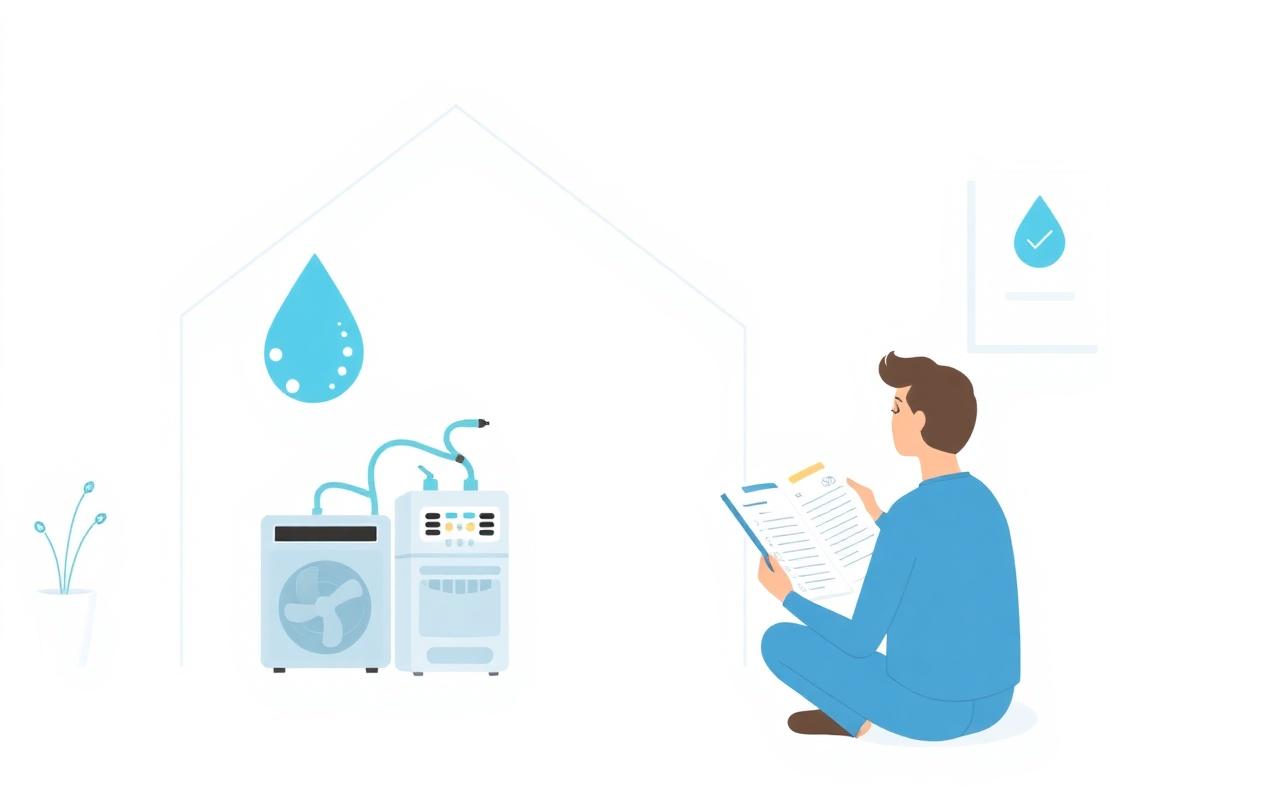
What this page is, and is not
What does water mitigation mean?
Water mitigation means taking steps to reduce further damage after water enters a home. It usually includes stopping the source when safe, removing standing water, checking moisture, drying affected materials, documenting damage, and preparing the home for repair or restoration. Mitigation is not the same as full restoration because it focuses on damage control and drying first.
Key points
- Water mitigation is the first response after water damage.
- The goal is to stop further damage and dry the structure.
- It can include extraction, drying, dehumidification, and documentation.
- Restoration or repair usually comes after mitigation.
- A written scope should explain what is included.
Water Mitigation Definition
In plain English, water mitigation is damage control work performed after a water event in a home. It usually includes water extraction, moisture inspection, structural drying, dehumidification, photos and documentation, and a clean handoff to the restoration phase. The phrase is used by water damage companies, insurance adjusters, and training programs such as the IICRC Water Damage Restoration Technician and IICRC Applied Structural Drying courses.
| Term | Simple meaning | Example |
|---|---|---|
| Water mitigation | Damage control work after water enters a home. | Extracting standing water and setting drying equipment. |
| Water damage mitigation | The longer term homeowners often search for the same work. | Same as water mitigation, used in many insurance documents. |
| Water restoration | Repair and rebuild work after drying is complete. | Replacing drywall, flooring, or trim after a leak. |
| Water remediation | Often used as a synonym for mitigation, sometimes includes mold work. | Cleanup after contamination or microbial growth. |
| Mold remediation | A separate scope to contain and remove mold safely. | HEPA cleaning and containment after long term moisture. |
Why Water Mitigation Matters
Water does not stay on the surface. It moves into walls, floors, cabinets, insulation, ceilings, and hidden cavities. Mitigation matters because acting early can reduce secondary damage, support insurance documentation, and help decide what can be dried in place versus what needs to be removed. EPA mold and moisture guidance also encourages drying wet materials quickly and controlling indoor moisture.
The goal is practical, not dramatic. A short mitigation visit on a small clean leak can be enough. A larger event may need several days of drying, daily monitoring, and a written scope shared with the insurer.
What Is Usually Included in Water Mitigation?
The list below shows what a typical mitigation scope can include. Smaller losses may skip some steps. Larger or contaminated losses may add containment, PPE, and antimicrobial work.
- Safety check
- Source control when safe
- Water extraction
- Moisture mapping
- Structural drying
- Dehumidification
- Controlled demolition when needed
- Daily drying logs
- Photos and documentation
- Restoration handoff
For more detail, see the water mitigation services page and the step-by-step water mitigation process guide.
When Do Homeowners Need Water Mitigation?
Some small spills can be handled with towels, fans, and a portable dehumidifier. The situations below usually call for a qualified local company with proper training and equipment.
- Burst pipe
- Flooded basement
- Appliance overflow such as washer, dishwasher, or water heater
- Roof leak
- Wet drywall
- Ceiling leak
- Sewage backup
- Water near electrical outlets or panels
- Multiple rooms affected
- Water sitting more than 24 hours
- Unsure where the water came from
For first response steps, see the emergency water mitigation guide, or read how to find local help.
How the Water Mitigation Process Works
The steps below describe the order most homeowners will see on a residential loss. Each row maps a stage to its purpose and a question the homeowner can ask.
- Inspect and identify the source
- Confirm safety concerns
- Remove standing water
- Map moisture in walls, floors, and cavities
- Set drying equipment such as air movers and dehumidifiers
- Monitor drying with daily readings
- Document the work with photos and logs
- Hand off to restoration
| Step | Purpose | What to ask |
|---|---|---|
| Inspect and identify the source | Find where water came from and what it touched. | Has the source been confirmed and contained? |
| Confirm safety concerns | Check for electrical risk, structural concerns, or contamination. | Is power off and is the area safe to enter? |
| Remove standing water | Extract water with portable or truck mounted equipment. | How much standing water is being removed? |
| Map moisture | Use meters and thermal imaging to find hidden moisture. | What is the dry standard for this loss? |
| Set drying equipment | Place air movers and dehumidifiers on a planned pattern. | How many units, and for how many days? |
| Monitor drying | Take daily moisture readings to track progress. | Will I see daily moisture logs? |
| Document the work | Record photos, equipment days, and a written scope. | Will I receive the full documentation package? |
| Hand off to restoration | Move from drying to repair and rebuild work. | Who handles the rebuild scope after drying? |
Water Mitigation vs Restoration
Mitigation stops further damage and dries the structure. Restoration repairs or rebuilds damaged materials after drying is complete. The two phases are connected but they are not the same scope.
| Topic | Mitigation | Restoration |
|---|---|---|
| Goal | Stop further damage and dry the structure. | Repair or rebuild damaged materials. |
| Timing | Right after water enters the home. | After the structure reaches a documented dry standard. |
| Common tasks | Extraction, drying, dehumidification, demolition, documentation. | Drywall, flooring, paint, trim, cabinets, finish work. |
| Documentation | Moisture logs, photos, equipment days, written scope. | Repair scope, material specs, change orders, completion photos. |
| Typical endpoint | Final moisture readings confirm the dry standard. | Rebuild is complete and the home is back to a livable finish. |
For a deeper side by side breakdown, read water mitigation vs restoration.
What Affects Water Mitigation Cost?
Cost depends on the water category, affected area, how long the water sat, the materials involved, the drying equipment needed, controlled demolition, sewage or mold risk, emergency timing, and local labor rates. Exact prices vary by property and company, so a written scope with line items is more useful than a single quoted number.
For a full breakdown and an interactive estimator, see the water mitigation cost page.
Does Insurance Cover Water Mitigation?
It can, but coverage is not automatic. Homeowners insurance may review sudden and accidental water damage differently from gradual leaks, maintenance issues, floodwater, or excluded causes. The final decision depends on your policy, cause of loss, deductible, exclusions, and the insurer's review. NAIC guidance on filing a homeowners claim recommends documenting damaged property with photos and video and contacting your insurer early.
Documentation helps a claim review move faster, but it does not guarantee coverage. For a homeowner checklist, see the insurance checklist and review the disclaimer.
What Does a Water Mitigation Company Do?
A water mitigation company may inspect the loss, extract standing water, place drying equipment, monitor moisture, document the work, and provide a written scope. Some companies stop at the dry standard and hand off to a restoration contractor. Others handle both phases and invoice them separately.
For a deeper look, see the water mitigation company page and the contractor checklist.
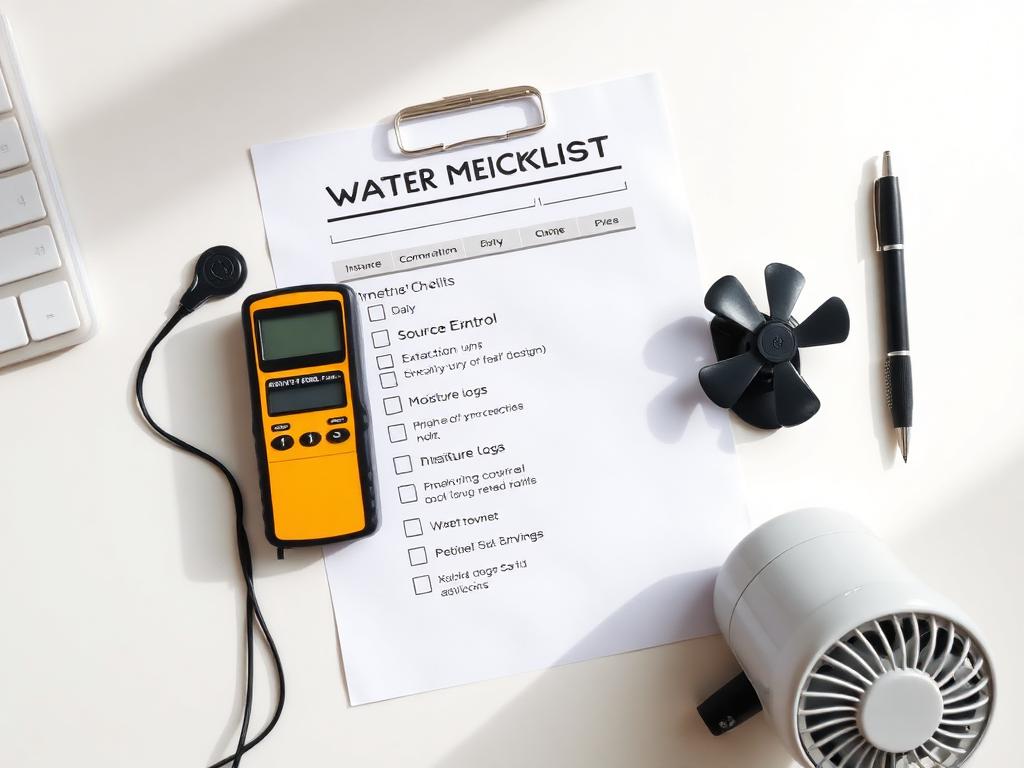
What this means for homeowners
If the water is small, clean, and contained, quick documentation and drying may be enough. If water reached walls, floors, ceilings, electrical areas, sewage, or multiple rooms, a qualified local company should inspect the damage and provide a written scope before any work begins.
Helpful References
These references are used for general education about water damage cleanup, drying, moisture control, safe cleanup, and claim preparation. They are not contractor recommendations or guarantees of coverage.
Industry training for water damage cleanup, drying, and remediation knowledge.
Training focused on effective and timely drying of water damaged structures and contents.
General homeowner guidance on drying wet materials and controlling indoor moisture.
Public health guidance on safe cleanup practices after water damage.
Guidance on documenting damaged property, taking photos and videos, and contacting your insurer.
Water Mitigation FAQs
- Water mitigation is the damage control phase after water enters a home. It usually includes stopping the source when safe, removing standing water, checking moisture, drying affected materials, and documenting the work so the home is ready for restoration.
- Water mitigation means taking steps to reduce further damage from a water event. It covers extraction, drying, dehumidification, monitoring, and documentation. It does not include the full repair and rebuild work that happens during restoration.
- No. Water mitigation focuses on stopping damage and drying the structure. Water damage restoration is the repair and rebuild phase that follows after the structure reaches a documented dry standard. Some companies handle both phases, but they are different scopes.
- A typical water mitigation scope includes a safety check, source control when safe, water extraction, moisture mapping, structural drying, dehumidification, controlled demolition when needed, daily drying logs, photos, and a restoration handoff.
- Homeowners usually need water mitigation after a burst pipe, flooded basement, appliance overflow, roof leak, wet drywall or ceiling, sewage backup, or any situation where water has been sitting for more than a day or has reached multiple rooms.
- Many residential mitigation projects run about three to five days of active drying after extraction, though the actual timeline depends on the water category, the materials involved, the amount of water, and how quickly daily readings reach the dry standard.
- Water mitigation cost depends on the water category, affected area, dwell time, materials, drying equipment, monitoring, demolition, sewage or mold risk, emergency timing, and local labor rates. Always ask for a written scope with line items rather than a single quoted number.
- It can. Homeowners insurance often reviews sudden and accidental water damage differently from gradual leaks, maintenance issues, floodwater, or excluded causes. Coverage depends on your policy, cause of loss, deductible, exclusions, and the insurer's review.
- No. Water Mitigation Hub is an independent online resource for homeowners. We do not perform water mitigation, we do not dispatch crews, and we do not have technicians. We publish guidance you can use with any qualified local company you choose.
Return to the Water Mitigation Hub homepage or browse the full sitemap.