Hardwood floor water damage guide
Hardwood Floor Water Damage: What to Do First
Hardwood floor water damage needs fast source control, safe water removal, careful documentation, and moisture checks before repair or refinishing decisions.
What this page is, and is not
Hardwood floor water damage: quick answer
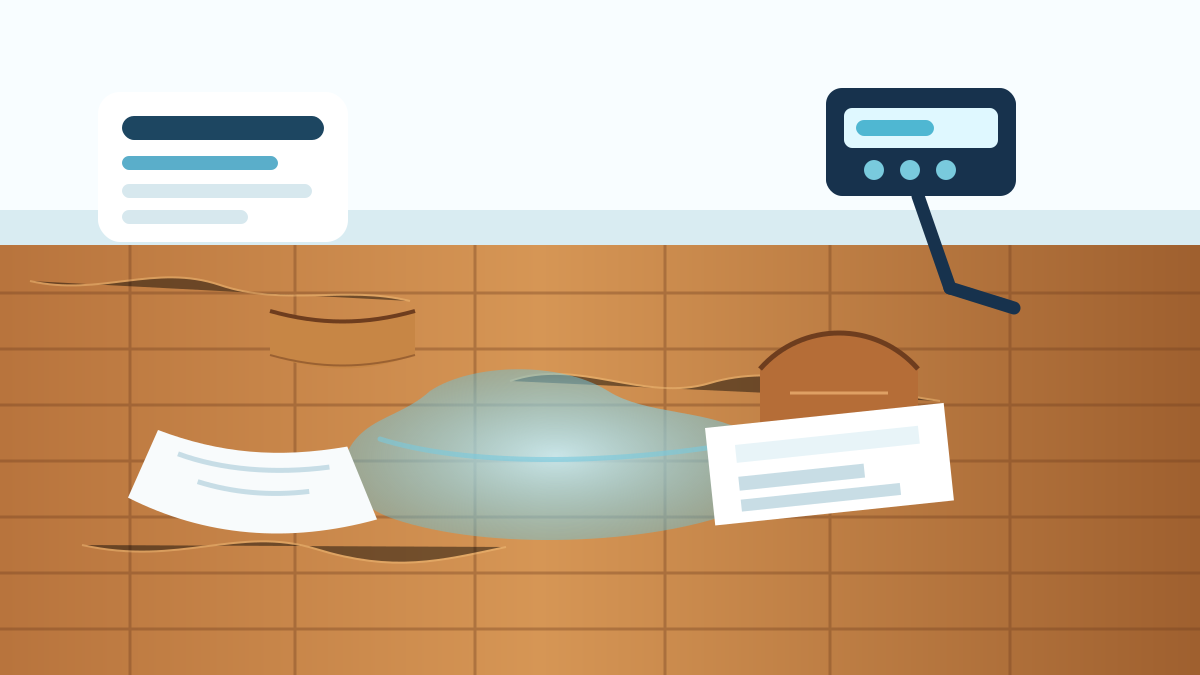
Hardwood floor water damage needs quick source control, safe water removal, careful documentation, and patient drying before cosmetic repair. Stop the leak if safe, remove standing water, lift wet rugs, and photograph the floor before major cleanup. Watch for cupping, crowning, buckling, staining, musty odor, and moisture near baseboards or the room below. Some hardwood can dry and settle back, but loose boards, contaminated water, trapped subfloor moisture, or mold concerns may require removal and replacement.
Key points
- Stop the water source if you can do it safely.
- Remove standing water before it spreads into seams, baseboards, or the subfloor.
- Photograph the floor, source, nearby walls, and damaged contents before cleanup if safe.
- Do not sand, seal, or refinish wet hardwood until moisture readings show it is dry.
- Cupping, crowning, buckling, staining, and odor can point to moisture below the surface.
- Insurance may review documentation, but coverage is not guaranteed.
What to do first after water reaches hardwood floors
Start with safety and source control. If water is near electricity, sewage, floodwater, or unstable flooring, stay out and call qualified help. For small clean water events, the steps below help limit damage and organize the information a contractor or insurer may request.
Stay out of unsafe areas
Keep people away from slippery boards, lifted edges, wet outlets, wet cords, contaminated water, and rooms where the floor feels unstable.
Stop the source if safe
Close a fixture valve, appliance valve, or main water shutoff when you can reach it without crossing unsafe water.
Remove standing water
Use towels, a mop, or a wet vacuum only when the water is not contaminated and the area is safe. Do not push water into wall gaps or floor seams.
Lift wet rugs and pads
Remove wet mats, rugs, furniture pads, and boxes that trap moisture against the finish. Move items only when the room is safe.
Document the damage
Take wide room photos, close ups of cupping or stains, a video of the water path, and pictures of the likely source.
Check nearby materials
Look at baseboards, cabinets, drywall, the room below, and nearby transitions because hardwood often hides moisture at edges.
Start gentle drying if safe
Lower indoor humidity and create gentle airflow. Avoid high heat aimed directly at the wood because sudden drying can worsen cracking or splitting.
Get qualified help when needed
Call a qualified local company when boards buckle, the subfloor may be wet, water is contaminated, multiple rooms are affected, or moisture readings are needed.
For broader emergency guidance, see our guide to emergency water mitigation. If the water came from a broken pipe, also review burst pipe water damage.
How hardwood reacts to water
Hardwood expands as it absorbs moisture and contracts as it dries. The top of the board, bottom of the board, finish, installation method, room humidity, and subfloor can all dry at different speeds. That is why a floor can look dry on top while moisture remains in seams, underlayment, plywood, cabinets, baseboards, or the room below.
Solid hardwood and engineered hardwood do not behave the same way. Solid wood may tolerate some drying and later refinishing when it remains attached and stable. Engineered products can be more vulnerable to edge swelling, veneer damage, and layer separation. The final call usually depends on moisture readings, water category, time wet, manufacturer limits, and the repair scope.
Cupping vs crowning vs buckling vs staining
The table below gives homeowners a practical way to describe what they see. These signs do not replace a professional inspection, but they help you ask clearer questions and document the loss.
| Sign | What it looks like | What it may mean | First step | More serious when |
|---|---|---|---|---|
| Cupping | Board edges are higher than the center. | Moisture imbalance, often from moisture below the board. | Stop the source, document the floor, and avoid sanding until dry. | Subfloor moisture, persistent cupping, or widening seams. |
| Crowning | Board centers are higher than the edges. | Moisture imbalance or sanding a cupped floor too early. | Do not refinish until moisture readings confirm dry conditions. | Permanent shape change, finish damage, or loose boards. |
| Buckling | Boards lift, tent, separate, or pull from the subfloor. | Severe swelling, fastener failure, adhesive failure, or wet subfloor. | Keep people off the area and get the floor evaluated. | Boards are loose, cracked, contaminated, or unsafe to walk on. |
| Staining | Dark spots, white haze, cloudy finish, or edge discoloration. | Water reached the finish, seams, wood fibers, or fasteners. | Photograph stains before cleaning and avoid harsh chemicals. | Stains remain after drying or odor appears. |
| Mold risk | Musty odor, damp baseboards, spotting, or recurring dark areas. | Moisture has stayed in wood, subfloor, walls, or trim. | Reduce moisture and avoid disturbing suspected growth without protection. | Water sat, materials are porous, or sewage and floodwater are involved. |
Can hardwood floors be dried after water damage?
Hardwood floors may be dryable when the source is stopped quickly, the water is not contaminated, the boards remain attached, and the subfloor can dry. Drying usually requires water extraction first, then controlled airflow, dehumidification, moisture readings, and time. Do not sand or refinish a cupped floor just because the surface looks better. Repair decisions should wait until the wood and nearby materials reach appropriate moisture levels.
The full water mitigation process may include inspection, water extraction, structural drying, monitoring, and a restoration handoff. For surface cleanup basics, see water damage cleanup.
| Topic | Drying may be possible when | Replacement may be needed when |
|---|---|---|
| Water source | Clean water, source stopped quickly. | Sewage, floodwater, recurring leaks, or unknown contamination. |
| Board condition | Boards are attached and only mildly cupped. | Boards buckle, split, delaminate, or pull loose. |
| Subfloor | Subfloor can be accessed, checked, and dried. | Subfloor stays wet, swells, separates, or traps moisture. |
| Time wet | Discovered quickly and drying begins safely. | Water sat for many hours or days before discovery. |
| Odor or growth | No musty odor or visible growth. | Musty odor, visible mold, or repeated staining. |
| Finish | Finish has minor clouding or surface marks. | Finish is peeling, deeply stained, or widespread damage remains. |
When replacement may be needed
Replacement may be needed when boards buckle, split, pull loose, delaminate, remain deeply stained, or were exposed to sewage or floodwater. Replacement may also be needed when the subfloor swells, separates, stays wet, or cannot be accessed for drying. If the damage came from a basement flood or sewage backup, review our guides to flooded basement cleanup and sewage backup cleanup.
What a water mitigation company may check
Water Mitigation Hub does not provide or arrange mitigation service. If you speak with a qualified local company, ask how they will verify the source, map moisture, protect the floor, and explain the boundary between mitigation and restoration. A written scope should make clear what is drying, what may be removed, and what is excluded.
Use this section with our guides to comparing a water mitigation company and reviewing a contractor checklist.
Cost factors for hardwood floor water damage
We do not publish guaranteed prices because hardwood floor water damage cost depends on the source, water type, time wet, affected rooms, hidden moisture, material type, drying scope, and restoration work. Water extraction, drying equipment, board removal, subfloor repair, sanding, staining, and refinishing may be separate line items.
| Cost factor | Why it matters |
|---|---|
| Water amount | Standing water usually adds extraction, monitoring, and faster response needs. |
| Water type | Clean water, appliance overflow, sewage, and outdoor floodwater require different precautions. |
| Floor type | Solid hardwood, engineered hardwood, finish age, and installation method affect drying and repair. |
| Subfloor involvement | Wet plywood, OSB, or sleepers can extend drying and may change repair scope. |
| Drying equipment | Air movers, dehumidifiers, specialty floor drying, and monitoring time affect cost. |
| Room count | More rooms, halls, closets, and transitions increase labor and documentation. |
| Demolition | Baseboard removal, board removal, cabinet toe kicks, or access cuts may be needed. |
| Restoration | Board matching, patching, sanding, staining, and refinishing are usually separate from mitigation. |
| Documentation | Photos, moisture readings, drying logs, and written scopes add time but help claim review. |
For a deeper breakdown, see water mitigation cost.
Insurance documentation checklist
Documentation supports claim review, but it does not guarantee coverage. Coverage depends on your policy, cause of loss, deductible, exclusions, endorsements, timing, and insurer review. Sudden internal water may be reviewed differently from floodwater, groundwater, gradual leaks, or mold.
Use this list with the full insurance checklist before approving major work or discarding damaged materials when safe storage is possible.
Mistakes to avoid
Hardwood floors often fail because moisture is hidden, not because the surface was ignored. Avoid quick cosmetic fixes until the source, subfloor, and drying status are clear.

Questions to ask before approving work
Hardwood water damage can involve separate scopes for leak repair, water mitigation, flooring replacement, and refinishing. Ask direct questions before you approve work so you know what is included, what is excluded, and what documentation you will receive.
| Question | Why it matters |
|---|---|
| What caused the water damage? | The source affects safety, insurance review, and whether drying can work. |
| What water category is involved? | Clean water, gray water, sewage, and floodwater change handling and disposal. |
| Will you check the subfloor? | Hardwood can look better on top while moisture remains below. |
| Will I receive moisture readings? | Readings help show what was wet and whether drying is improving. |
| What can be dried in place? | The scope should explain which materials are being monitored rather than removed. |
| What may need removal? | Loose boards, contaminated materials, and wet subfloor sections may not be dryable. |
| How will equipment be placed? | Air movers and dehumidifiers should match the affected materials and room layout. |
| What is excluded? | Leak repair, mitigation, flooring replacement, and refinishing may be separate scopes. |
| How are change orders approved? | Hidden moisture can change scope, so added work should be documented. |
| What documentation goes to insurance? | Photos, readings, logs, invoices, and scopes should be organized for claim review. |
If water came from an appliance, review appliance overflow water damage. If the floor damage came from above, review ceiling water damage.
What this means for homeowners
The goal is not to decide replacement too early. The goal is to stop the source, document the condition, remove standing water safely, verify moisture, and wait to repair or refinish until drying decisions are clear.
Helpful references
These references are used for general education about moisture control, mold cleanup, disaster cleanup safety, floor drying considerations, and insurance documentation. They are not contractor recommendations, medical advice, legal advice, insurance advice, or guarantees of coverage.
Homeowner guidance on drying wet materials, controlling moisture, and handling mold concerns.
Safety guidance for protective equipment and cleanup after water and mold events.
General disaster cleanup safety guidance for homeowners after flooding and severe water events.
Consumer guidance on photos, videos, receipts, and damage documentation before cleanup.
Industry overview for water damage restoration procedures and precautions.
Extension guidance on drying and repairing flood damaged walls, ceilings, and floors.
FAQs about hardwood floor water damage
- Stay safe, stop the water source if you can reach it safely, remove standing water, lift wet rugs, and photograph the floor, source, and nearby damage before major cleanup. Avoid walking on buckled boards or wet electrical areas.
- Sometimes. Hardwood may dry when the water source is stopped quickly, the water is not contaminated, boards remain attached, and the subfloor can dry. Moisture readings are the best way to confirm progress.
- Cupping means the board edges are higher than the center. It usually points to a moisture imbalance in the wood, often with more moisture below the board than above it.
- Crowning means the center of the board is higher than the edges. It can happen from moisture imbalance or from sanding a cupped floor before it has fully dried.
- Buckling means boards lift, tent, separate, or pull loose from the subfloor. It is more serious than minor cupping and often needs professional evaluation before anyone walks on the area.
- Gentle airflow and dehumidification may help when the area is safe, but high heat aimed directly at wood can cause cracking or splitting. If moisture may be under the floor, monitoring matters.
- Replacement may be needed when boards are buckled, split, loose, delaminated, moldy, contaminated, permanently stained, or when the subfloor cannot dry properly.
- Coverage depends on the policy, the cause of loss, exclusions, deductible, endorsements, timing, and insurer review. Sudden internal water may be reviewed differently from floodwater, groundwater, gradual leaks, or mold.
- No. Water Mitigation Hub is an independent informational homeowner resource. It does not provide water mitigation, drying, inspection, restoration, repair, quotes, dispatch, or emergency service.
Related guides
Continue with the water mitigation process, compare water mitigation cost factors, or browse the full sitemap. Return to the Water Mitigation Hub homepage for more homeowner guides.