Emergency service guide
Emergency Water Mitigation Service: What to Expect and What to Do First
Learn what an emergency water mitigation service may do, what to check before signing, what records to expect, and how to compare qualified help safely.
Updated July 12, 2026
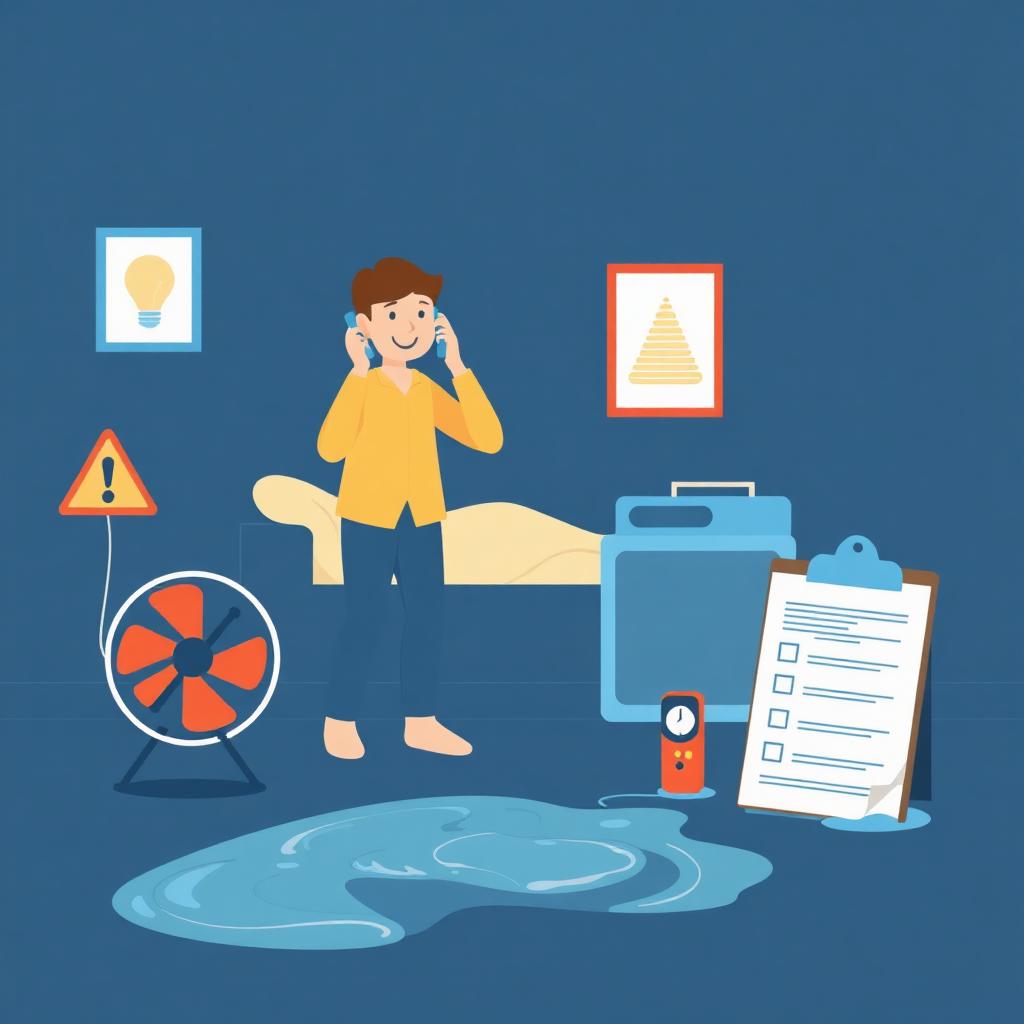
Informational resource only
Emergency Water Mitigation Service Quick Answer
An emergency water mitigation service may help limit additional property damage by checking immediate hazards, identifying the water source, extracting standing water, measuring moisture, setting drying equipment, monitoring progress, and documenting the work. Homeowners should first avoid electrical, structural, sewage, and floodwater hazards, then verify the company, written scope, equipment plan, documentation process, and payment terms.
Water Mitigation Hub does not provide or dispatch emergency services. Use this guide to understand the process, compare qualified help, and organize records before and after a visit.
Key points
- Safety comes before cleanup or photographs.
- Water removal is one part of mitigation, not the whole scope.
- Moisture readings and drying logs help show what happened over time.
- A written scope should separate mitigation, restoration, exclusions, and payment terms.
- Water Mitigation Hub does not provide or dispatch emergency services.
What to Do First
Do not enter dangerous areas for photos or cleanup. If a room looks unsafe, document from a doorway, an upstairs landing, or another safe location. The list below is a safety-first starting point, not a substitute for emergency assistance.
When Emergency Mitigation May Be Needed
Emergency mitigation may be reasonable when water is active, unsafe, spreading, or hidden inside materials. Not every water event needs the same response, and the right next step depends on source, safety, water category, affected materials, and access.
What an Emergency Water Mitigation Service May Do
A provider should be able to explain which tasks are part of emergency mitigation and which tasks are separate restoration, repair, plumbing, roofing, electrical, or mold work. The scope may include the items below depending on conditions.
What a Company or Professional May Check During the First Visit
Water Mitigation Hub does not perform these checks. This section explains what a qualified company or professional may review so homeowners can ask clearer questions and compare the written scope.
| Check area | Why it matters | Homeowner note |
|---|---|---|
| Water source | Whether water is still entering the home. | Ask how the source was verified. |
| Water category | Safety steps and material handling can change by category. | Ask why that category was assigned. |
| Electrical hazards | Wet outlets, cords, panels, and fixtures can be dangerous. | Do not enter if electricity is unsafe. |
| Structural concerns | Sagging ceilings, weak floors, and movement may require other help. | Ask whether entry is safe. |
| Affected rooms | The scope should name every room and visible water path. | Request wide photos by room. |
| Drywall | Moisture can hide behind painted surfaces. | Ask whether readings were taken. |
| Ceilings | Wet ceiling drywall can sag or collapse. | Stay out from under soft or bowed areas. |
| Flooring | Water can move under plank, tile, carpet, and subfloor edges. | Ask what can dry in place. |
| Carpet and padding | Pad can hold water below a dry-looking surface. | Ask whether pad removal is needed. |
| Cabinets | Toe kicks and cabinet backs can trap moisture. | Ask how hidden areas will be checked. |
| Insulation | Wet insulation may dry slowly or require removal. | Ask how insulation decisions are documented. |
| Crawl spaces | Water can collect below the main floor. | Ask whether access is safe. |
| Attics | Roof leaks and wet insulation may affect ceilings below. | Ask whether a separate roofer is needed. |
| Moisture readings | Readings support the drying plan and claim file. | Ask for copies of logs. |
| Equipment needs | Air movers and dehumidifiers should match the affected materials. | Ask for counts and placement. |
| Materials that may need removal | Removal should be explained before demolition starts. | Ask for photos and written approval. |
| Documentation needed for insurance | Photos, notes, logs, and invoices can be reviewed by an insurer. | Coverage is not guaranteed. |
Emergency Mitigation vs Emergency Water Removal
Water removal is one part of mitigation. Mitigation may also include moisture mapping, drying, monitoring, controlled removal, and documentation. Restoration usually involves repairs or rebuilding after drying. Compare the terms below with the guides for emergency water mitigation, emergency water removal, water extraction services, structural drying water damage, and water damage restoration.
| Term | Main focus | What may be included | What to ask |
|---|---|---|---|
| Emergency water mitigation | Limit additional damage and start drying decisions. | Safety review, source review, extraction, moisture mapping, equipment, monitoring, and documentation. | What is mitigation, what is restoration, and what is excluded? |
| Emergency water removal | Remove standing water from affected areas. | Pumping, extraction, wet vacuuming, or carpet extraction where appropriate. | Does removal include moisture readings, drying, and monitoring? |
| Water extraction | Physically remove water from surfaces or materials. | Portable extractor, truck mounted extraction, carpet extraction, or pump out. | What materials are being extracted and what happens after extraction? |
| Structural drying | Dry building materials after water is removed. | Air movers, dehumidifiers, moisture readings, drying goals, and logs. | How will drying progress be recorded and shared? |
| Water damage restoration | Repair or rebuild after mitigation and drying. | Drywall repair, flooring, paint, trim, cabinets, or reconstruction. | Is this a separate scope from emergency mitigation? |
Emergency Service Comparison Checklist
Use this checklist before signing when conditions allow time to compare. The same wording is used for the ItemList schema on this page.
Questions to Ask Before Signing
Urgency can make paperwork feel rushed. Ask for plain answers before approving work, demolition, equipment placement, or broad authorizations.
| Question | Why it matters |
|---|---|
| What is the legal business name? | Confirms who you are hiring and who may invoice you. |
| Are you licensed or registered where required? | Rules vary by state and trade. |
| Can you provide current proof of insurance? | Ask for general liability and workers compensation where applicable. |
| Who will arrive at the property? | Clarifies whether employees, subcontractors, or another company may come. |
| What is the estimated inspection window? | Gives a practical timing expectation without a response guarantee. |
| What water category may be involved? | Category affects PPE, disposal, drying, and safety decisions. |
| Which rooms and materials may be affected? | The scope should identify visible and suspected hidden areas. |
| Will I receive a written scope? | A written scope helps compare work and costs. |
| What equipment may be used? | Equipment type and count can affect drying and charges. |
| How will equipment days be tracked? | Daily equipment records can matter for invoice review. |
| Will moisture readings be recorded? | Readings help show drying progress. |
| Will I receive drying logs? | Logs can support claim review and scope clarity. |
| What materials may require removal? | Removal should be explained before demolition starts. |
| How will change orders be approved? | Written approval helps avoid surprise charges. |
| What documentation will be provided for insurance? | Ask for photos, readings, logs, scope, invoices, and notes. |
| Are mitigation and restoration scopes separated? | Repairs and rebuild work may be reviewed separately. |
| What services or charges are excluded? | Exclusions should be clear before signing. |
Emergency Cost Factors
This page does not give guaranteed prices. Emergency water mitigation charges may depend on the cause, water category, affected area, equipment, monitoring, demolition, disposal, documentation, and timing from actual providers. For more detail, compare water mitigation cost and emergency water mitigation cost.
| Factor | Why it may affect charges | What to document |
|---|---|---|
| affected square footage | Larger areas usually need more labor and equipment. | Room photos and approximate affected areas. |
| water category | Contaminated water may require PPE, containment, and disposal. | Source notes and category explanation. |
| standing water depth | More water may require more extraction time. | Photos or videos from a safe location. |
| number of affected rooms | Each room may need readings, equipment, and monitoring. | Room list and water path notes. |
| extraction requirements | Carpet, pad, hard flooring, and cavities may need different methods. | Extraction notes and affected material list. |
| equipment type and count | Air movers and dehumidifiers are often billed by type and day. | Equipment list and placement photos. |
| equipment days | Longer drying can increase charges. | Daily drying logs and equipment records. |
| monitoring visits | Follow up readings take time and should be documented. | Visit notes and readings. |
| emergency or after-hours timing | Actual providers may charge differently for urgent timing. | Time of request and arrival or inspection window. |
| controlled demolition | Material removal adds labor, disposal, and later repair needs. | Photos before removal and written approval. |
| disposal | Wet or contaminated materials may need special handling. | Disposal notes and material list. |
| contaminated water handling | Sewage or floodwater can require added safety steps. | Source notes and safety documentation. |
| local labor | Labor rates vary by area and availability. | Written scope and invoice details. |
| documentation requirements | Detailed claim packages can add administrative time. | Photos, logs, invoices, and claim notes. |
Insurance Documentation Checklist
Insurance reimbursement is not guaranteed. Coverage depends on policy terms, cause of loss, exclusions, deductible, timing, documentation, and insurer review. Use the checklist below with the insurance checklist, water damage insurance claim, water mitigation insurance claim, and how to document water damage guides.
Mistakes to Avoid
These mistakes can make an already stressful loss harder to document, compare, or explain during claim review.
When to Leave and Seek Emergency Assistance
Leave unsafe areas when there is immediate danger. Contact emergency services where there is an immediate threat to life or safety. Water Mitigation Hub is not emergency assistance and does not send help to a property.
How to Compare Near-Me Results Safely
Search results for water mitigation emergency service near me may contain ads, franchises, directories, lead-generation sites, and local companies. Proximity does not prove qualification. Verify the legal business name, insurance, who is actually arriving, and whether the company can provide a written inspection window, moisture readings, drying logs, and clear payment terms.
Avoid fake urgency and compare documentation capability. Certified directories can be one verification input, but they should not be the only check. Use water mitigation companies near me, water mitigation near me, find local help, and the contractor checklist as research tools. Water Mitigation Hub does not find or match local companies.
When Qualified Help May Be Needed
Qualified help may be needed when safety, hidden moisture, contamination, or documentation requirements are beyond a simple spill. Professional evaluation may be needed in the situations below.
Helpful References
These references support general homeowner education about water damage safety, moisture, documentation, disaster cleanup, and contractor comparison. They are not contractor recommendations, availability claims, price sources, or insurance guarantees.
Useful for electrical hazards, standing water, wet materials, and safe reentry after flooding.
Explains moisture control, drying, and indoor air concerns after flood or water damage.
Home cleanup guidance for standing water, drying surfaces, and disaster recovery safety.
Shows why photos, videos, receipts, and damaged item records matter during claim review.
Helpful when comparing urgent contractors, written scopes, payment terms, and pressure tactics.
Consumer guidance on documenting damage, contacting the insurer, and keeping claim records.
Public overview of a professional water damage restoration standard and related drying context.
FAQs about Emergency Water Mitigation Service
- An emergency water mitigation service may help limit additional damage by checking immediate hazards, identifying or confirming the water source, extracting standing water, measuring moisture, setting drying equipment, monitoring progress, and documenting the work. Water Mitigation Hub explains these steps but does not provide or dispatch emergency services.
- Emergency water mitigation may be needed when water is spreading, sewage or floodwater is involved, water is near electricity, ceilings or floors look unsafe, multiple rooms are affected, or carpet, drywall, flooring, cabinets, insulation, or cavities are wet. The right response depends on safety, source, materials, and water category.
- No. Emergency water removal focuses on removing standing water. Mitigation may also include moisture mapping, drying equipment, dehumidification, monitoring, controlled material removal, photos, drying logs, and documentation. Restoration usually means repair or rebuilding after drying.
- Water damage should usually be inspected as soon as it is safe and practical because wet materials can worsen over time. Response time varies by provider, weather, access, water category, and local demand. Avoid any company that promises a specific outcome without inspecting the conditions.
- Verify the legal business name, license or registration where required, proof of insurance, who will arrive, the inspection window, water category explanation, written scope, equipment plan, moisture reading process, drying log process, payment terms, exclusions, and change order process.
- A qualified company should usually provide moisture readings and drying logs when structural drying is part of the scope. These records help show affected areas, equipment placement, drying progress, monitoring visits, and whether materials reached the target drying condition.
- Coverage depends on the policy, cause of loss, water category, exclusions, deductible, endorsements, timing, documentation, and insurer review. Sudden indoor water damage may be reviewed differently from floodwater, groundwater, sewage backup, long-term leakage, or maintenance issues. No coverage is guaranteed.
- Often, yes. Mitigation usually covers emergency steps, extraction, drying, monitoring, limited demolition, and documentation. Restoration usually covers repair, replacement, paint, flooring, trim, cabinets, or rebuild work. Separate scopes can make invoices and claim review easier to understand.
- Search results can include ads, franchises, directories, lead-generation sites, and local companies. Proximity does not prove qualification. Verify the legal business name, insurance, licensing where required, who is actually arriving, written inspection window, documentation process, payment terms, and exclusions.
- No. Water Mitigation Hub is an independent online homeowner resource. It does not provide emergency water mitigation service, dispatch crews, perform inspections, offer quotes, rank contractors, match users with local companies, or guarantee insurance outcomes.
Related Guides
Continue researching
- Water Mitigation Hub
- Emergency water mitigation
- Emergency water removal
- Water extraction services
- Water mitigation process
- Water mitigation services
- Water mitigation company
- Water mitigation companies near me
- Water mitigation near me
- Find local help
- Water damage cleanup
- Water damage restoration
- Structural drying water damage
- Moisture readings water damage
- Drying logs water damage
- Water mitigation report
- Water mitigation cost
- Emergency water mitigation cost
- Contractor checklist
- Insurance checklist
- Mitigation insurance claim
- Disclaimer