Insurance claim documentation guide
Water Damage Insurance Claim: What to Document First
A safety-first homeowner guide to organizing a water damage claim file, documenting mitigation records, asking insurer questions, and avoiding common claim mistakes. Coverage depends on your policy and insurer review.
Answer-first intro
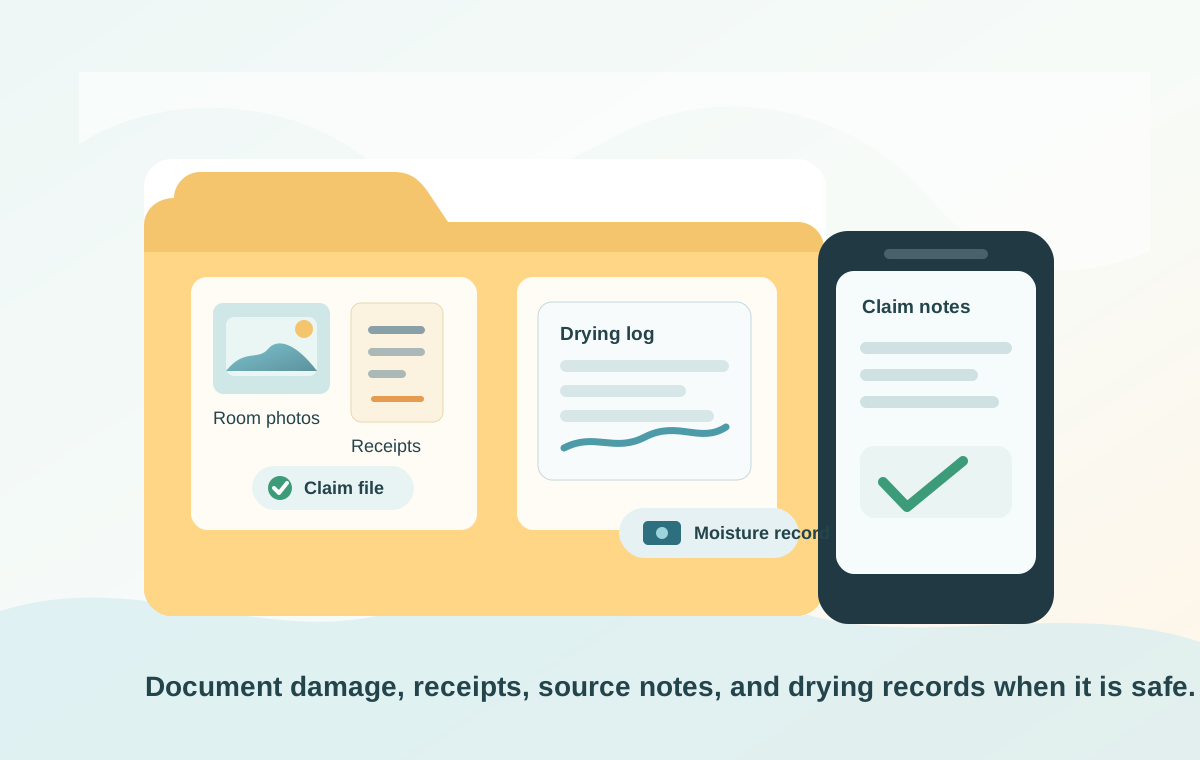
For a water damage insurance claim, start with safety, stop the water source when safe, photograph damage before major cleanup, save receipts, and keep a claim file. Contact your insurer when the damage looks significant or your policy requires prompt notice. Save source repair notes, mitigation records, moisture readings, drying logs, estimates, invoices, claim number, and adjuster instructions. Coverage depends on policy terms, cause of loss, exclusions, deductible, endorsements, documentation, and insurer review.
What this page is and is not
This page is general education about documentation and homeowner questions. It is not legal advice, insurance advice, public-adjuster advice, claim filing, claim negotiation, property inspection, cleanup service, restoration service, contractor dispatch, local service matching, or a claim approval guarantee.
Safety before documentation
Do not enter unsafe areas just to take photos. Electrical hazards, sewage, floodwater, sagging ceilings, gas smell, structural movement, unstable flooring, and suspected contamination can create serious risks.
Photograph from a doorway, dry area, or another safe location when you can. Qualified help or emergency officials may be needed before anyone enters the affected space.
First 24 hours timeline
The first day is usually about safety, source control, initial documentation, insurer communication, and preventing additional damage when safe.
| Step | What to do | What to document | Caution |
|---|---|---|---|
| Immediate safety | Stay out of unsafe areas and avoid electricity, sewage, floodwater, gas odor, sagging ceilings, and structural movement. | Photos from a doorway or other safe location, visible hazards, and any utility or emergency instructions. | Do not enter an unsafe area just to take photos. |
| Source control | Stop the water source when safe, such as using a shutoff valve, or contact the right qualified trade. | Source location, shutoff time, plumber, roofer, appliance, or HVAC notes, and repair receipts. | A permanent source repair may still be needed. |
| Initial photos | Take wide room photos and close photos before major cleanup when safe. | Standing water, water path, ceilings, floors, walls, cabinets, contents, and damaged materials. | Avoid disturbing suspected mold or contaminated materials. |
| Insurer contact | Contact the insurer when the damage looks significant or when the policy requires prompt notice. | Claim number, adjuster name, instructions, upload method, and deadlines. | Coverage depends on policy terms and insurer review. |
| Receipts and temporary repairs | Protect property from further damage when safe and save receipts. | Supplies, tarps, plumbing parts, cleanup materials, lodging, and emergency work from actual providers. | Ask the insurer what documentation they want for temporary repairs. |
| Company documentation | If mitigation or restoration starts, ask for a written scope and records. | Moisture readings, drying logs, equipment count, demolition approvals, photos, and invoices. | Water Mitigation Hub does not arrange or provide this work. |
Water damage insurance claim file checklist
Use one folder, cloud drive, or notebook for the claim file. This exact list is also used for the page ItemList schema because it is visible on the page.
What an adjuster may review
An adjuster may review facts, records, policy terms, estimates, and the timeline. This review does not guarantee payment or coverage.
| Area | What may be reviewed | Records to save | Important note |
|---|---|---|---|
| Cause of loss | The insurer may review what caused the water damage and whether the event appears sudden, accidental, ongoing, excluded, or tied to another policy issue. | Source photos, repair notes, invoices, and timeline. | No guide can promise claim approval. |
| Timeline | The adjuster may compare when damage was discovered, when the source was stopped, and when mitigation or repairs began. | Date, time, communication log, claim number, and provider arrival notes. | Prompt documentation can help keep facts organized. |
| Affected materials | Walls, floors, insulation, cabinets, ceilings, contents, and subfloor areas may be reviewed for scope and cause. | Photos, room list, estimates, moisture readings, and damaged item inventory. | Dry-looking surfaces may still need moisture verification. |
| Policy terms | Deductible, endorsements, exclusions, flood coverage, sewer backup coverage, mold limits, and additional living expense terms may matter. | Policy pages, endorsements, insurer messages, and adjuster instructions. | Coverage depends on the policy and insurer review. |
| Invoices and estimates | Mitigation, restoration, source repair, temporary repairs, and contents records may be compared to the covered scope. | Written scopes, receipts, estimates, drying logs, and change orders. | Keep mitigation and restoration records clearly separated when possible. |
What a company/professional may check
A qualified company or professional may check the source, water category, affected rooms, moisture readings, drywall, flooring, insulation, cabinets, ceiling cavities, crawl space, attic, drying equipment, material removal decisions, and the documentation package. Water Mitigation Hub does not perform these checks, arrange services, inspect properties, or send providers.
| Check item | Why it matters | Record to ask for |
|---|---|---|
| water source | Helps connect damage to a cause of loss. | Source notes, photos, repair records, and shutoff time. |
| water category | Clean water, gray water, sewage, or floodwater can affect safety and scope. | Written category explanation and contamination notes. |
| affected rooms | A room list helps define the visible claim area. | Room-by-room photos and written scope. |
| moisture readings | Readings may help document wet materials beyond visible staining. | Meter readings, location notes, and dates. |
| drywall, flooring, and insulation | Porous and layered materials can hold moisture or require removal depending on conditions. | Material notes, photos, and drying or removal decisions. |
| cabinets and ceiling cavities | Hidden moisture can affect cabinet bases, toe kicks, wall cavities, and ceilings below. | Inspection notes, moisture readings, and photos. |
| crawl space or attic | Water can travel into hidden spaces when leaks affect upper floors, roofs, pipes, or HVAC areas. | Access notes, photos, and safety limits. |
| drying equipment | Air movers, dehumidifiers, and other drying equipment may be part of mitigation documentation. | Equipment count, placement, start and stop dates, and drying logs. |
| material removal decisions | Removal may be based on contamination, damage, access, or inability to dry safely. | Written reason for removal and before and after photos. |
| documentation package | A complete package can help organize the claim file. | Scope, readings, logs, photos, estimates, invoices, and exclusions. |
For provider selection questions, see the contractor checklist and the guide to comparing a water mitigation company.
What may affect cost and claim review
Water damage cost and claim review can depend on the source, water category, affected area, dwell time, materials, extraction, drying equipment, demolition, sewage, mold concerns, emergency timing from actual providers, documentation, local labor, and whether restoration is separate from mitigation. For cost factors without guaranteed prices, see the water mitigation cost guide.
| Factor | Why it can matter | Records to keep |
|---|---|---|
| source of water | A burst pipe, roof leak, sewage backup, appliance overflow, or floodwater event may be reviewed differently. | Source repair notes and photos. |
| water category | Contaminated water can change cleanup, safety, removal, and documentation needs. | Written water category notes. |
| size of affected area | More rooms, contents, and hidden areas can increase work and review complexity. | Room list, measurements, photos, and estimates. |
| time water sat | Longer dwell time may increase material damage, odor, mold concern, and drying work. | Timeline, discovery time, and provider notes. |
| materials affected | Drywall, flooring, cabinets, insulation, ceilings, and contents can each need different documentation. | Photos, material notes, and line-item estimates. |
| extraction and drying equipment | Equipment type, count, and duration may affect mitigation invoices. | Drying logs, equipment dates, and moisture readings. |
| demolition and disposal | Material removal can affect both cost and proof of damage. | Approvals, photos, disposal notes, and written scope. |
| sewage or mold concerns | Safety, containment, cleaning, removal, and separate scopes may be involved. | Contamination notes, photos, and qualified evaluation records. |
| emergency timing | Actual providers may charge differently for urgent timing, access, or after-hours response. | Work authorization, fee language, and invoice details. |
| documentation quality | Clear records may make the claim file easier to review, but do not guarantee coverage. | Organized photos, receipts, logs, notes, and communication history. |
| local labor and restoration scope | Repair and restoration can be separate from mitigation and may vary by market and materials. | Restoration estimate, repair estimate, and change orders. |
Questions to ask your insurer
| Question | Why to ask |
|---|---|
| Is this a claim or a coverage question? | Some homeowners ask how an inquiry will be handled before opening or continuing a claim. |
| What is my deductible? | The deductible can affect out-of-pocket planning before estimates are complete. |
| What documents do you need? | Ask how to submit photos, invoices, drying logs, estimates, and repair records. |
| Can emergency mitigation begin before adjuster inspection? | Ask what the policy requires and how to document work that cannot safely wait. |
| Should damaged materials be kept? | Ask before discarding damaged items unless safety requires removal. |
| Are preferred vendors optional? | Ask whether you may choose providers and what documentation standards apply. |
| Does my policy include sewer backup, flood, mold, or additional living expense coverage? | Endorsements, exclusions, and limits can matter for claim review. |
| How should photos, invoices, and drying logs be submitted? | Confirm portal, email, app, file format, and deadlines. |
Questions to ask a mitigation or restoration company
| Question | Why to ask |
|---|---|
| Can I see the written scope before approving work? | A written scope helps separate emergency mitigation, drying, demolition, restoration, and repairs. |
| What water category is involved? | Water category affects safety, cleanup, disposal, and material decisions. |
| Will moisture readings be documented? | Moisture records can support drying decisions and claim documentation. |
| Will drying logs be provided? | Drying logs may show dates, readings, equipment use, and progress. |
| How many pieces of equipment will be placed? | Equipment count and timing can affect invoices and monitoring records. |
| Do I approve demolition separately? | Ask what removal is included now and what requires separate permission. |
| How are change orders handled? | Change orders can clarify added work, exclusions, and cost changes. |
| What is excluded? | Exclusions help prevent confusion between mitigation, restoration, mold-related work, contents, and repairs. |
| What insurance documentation package will I receive? | Ask for scopes, photos, readings, logs, invoices, and completion notes. |
| Who communicates with the insurer? | Clarify whether the company sends records, whether you send records, and what you should keep. |
Before you sign contractor paperwork
- Read the work authorization before signing and ask what work is approved now.
- Separate mitigation, drying, demolition, restoration, mold-related work, and repairs if they are different scopes.
- Ask how emergency fees, equipment charges, change orders, and exclusions are handled.
- Ask what photos, moisture readings, drying logs, and written scopes will be provided.
- Keep a copy of every signed form, estimate, invoice, equipment log, and communication note.
Documents to save after mitigation starts
- mitigation estimate and written scope
- daily moisture readings when provided
- drying logs and equipment dates
- photos before and after material removal
- invoices, receipts, and payment records
- source repair notes from qualified trades
- insurer instructions and adjuster communication
Common mistakes to avoid
| Mistake | Why it can hurt the claim file | Safer move |
|---|---|---|
| Entering unsafe water | Electrical hazards, sewage, floodwater, unstable flooring, and sagging ceilings can be dangerous. | Document from a safe location and wait for qualified help when needed. |
| Throwing away items too early | Missing photos or inventories can make damage harder to explain later. | Photograph items first unless safety requires immediate disposal. |
| Assuming coverage | Coverage depends on policy terms, cause of loss, exclusions, deductible, endorsements, documentation, and insurer review. | Ask the insurer specific questions and keep written notes. |
| Signing unclear authorization forms | Open-ended paperwork can blur what work, fees, and exclusions are approved. | Ask for a clear written scope before approving work. |
| Mixing mitigation and restoration scopes | Drying work, demolition, repair, mold-related work, and reconstruction can be separate. | Keep scopes, estimates, and invoices organized by phase. |
| Repairing before drying is verified | Closing walls or floors too soon can hide moisture concerns. | Ask for moisture readings and drying status before repairs begin. |
| Losing receipts | Temporary repairs, supplies, and provider invoices may be part of the claim file. | Save digital copies and label them by date. |
| Poor communication log | Verbal instructions can be difficult to track later. | Write down dates, names, claim number, instructions, and upload confirmations. |
Claim scenarios table
Different water damage scenarios can require different documentation. These examples are not coverage promises.
| Situation | Document first | Professional record to ask for | Insurance note |
|---|---|---|---|
| burst pipe | Photos of pipe area, water path, affected rooms, and shutoff time. | Plumber note, mitigation scope, moisture readings, and drying logs. | Policy review may consider whether the event was sudden and how quickly the source was addressed. |
| appliance overflow | Photos of appliance, hose, flooring, cabinets, and nearby rooms. | Appliance repair note, extraction record, readings, and affected material list. | Cause, maintenance history, and hidden moisture may matter. |
| ceiling leak | Ceiling stain, drip area, room below, source area above, and any sagging. | Roofer, plumber, or HVAC note plus moisture readings and ceiling cavity notes. | Do not stand under sagging or actively dripping ceilings. |
| flooded basement | Water depth, entry point, contents, walls, flooring, and utilities from a safe place. | Extraction record, drying plan, photos, and contaminated water notes. | Floodwater usually involves separate flood insurance review rather than standard homeowners coverage. |
| sewage backup | Safe photos of backup location, affected rooms, and water path. | Sewer or plumbing note, contamination record, removal scope, and disposal notes. | A sewer backup endorsement or exclusion may be important. |
| roof leak | Roof area if visible safely, attic, ceiling stains, contents, and water path. | Roofer note, weather timing, mitigation records, and repair estimate. | Insurer review may consider cause, timing, maintenance, and policy terms. |
| wet drywall | Wall staining, baseboards, adjacent rooms, and any visible swelling. | Moisture readings, cavity notes, removal decision, and drying logs. | Wet drywall can hide moisture behind the surface. |
| wet carpet | Wide room photos, close photos of carpet, pad area, furniture, and water path. | Extraction record, carpet and pad notes, drying logs, and odor or contamination notes. | Carpet pad, subfloor, and water category may affect decisions. |
Helpful references
FAQ
Water damage insurance claim FAQ
- Start with safety. Stay out of unsafe areas, stop the water source when safe, photograph damage from a safe location, save receipts, and contact your insurer when the damage looks significant or your policy requires notice. Keep a claim file with dates, photos, source notes, receipts, estimates, moisture readings, drying logs, claim number, and adjuster instructions.
- It depends on the policy, cause of loss, exclusions, deductible, endorsements, documentation, and insurer review. Sudden and accidental water damage may be handled differently from long-term leaks, floodwater, sewer backup, mold, maintenance issues, or excluded causes. Read the policy and ask the insurer what applies to your situation.
- Emergency mitigation may be needed before an adjuster arrives when standing water, wet materials, or contamination could cause more damage or safety concerns. Ask your insurer what documentation they require and keep photos, written scope, moisture readings, drying logs, invoices, and any source repair notes. This does not guarantee coverage.
- When safe, take wide photos of each affected room and close photos of the source, water path, standing water, flooring, walls, ceilings, cabinets, contents, damaged items, and temporary repairs. Photograph labels or model numbers for damaged appliances when relevant. Avoid entering unsafe areas just for photos.
- A mitigation company may provide a written scope, moisture readings, drying logs, equipment count and dates, water category notes, photos, material removal decisions, invoices, and completion notes. Water Mitigation Hub does not provide or arrange mitigation services, but these records can help homeowners organize a claim file.
- Ask your insurer before discarding damaged items when possible. If safety requires removal, photograph the items first, list what was removed, keep receipts or disposal notes, and save any instructions from the insurer or adjuster. Contaminated items, sewage, floodwater, and mold concerns may require extra caution.
- Floodwater is usually handled through flood insurance rather than a standard homeowners policy, but policy terms vary. FloodSmart and your insurer can explain documentation requirements. If floodwater is involved, stay out of unsafe water and document damage from a safe location.
- Read the denial letter, compare it to your policy, gather your photos, invoices, estimates, communication log, and drying records, and ask the insurer what appeal or review options exist. Your state insurance department may offer consumer guidance. Qualified help may be needed for complex disputes.
- No. Water Mitigation Hub is an independent informational homeowner resource. It does not file claims, negotiate claims, inspect properties, provide mitigation or restoration services, dispatch contractors, rank providers, or guarantee insurance outcomes.
- No. This page is general education for homeowners. It is not legal advice, insurance advice, public-adjuster advice, contractor advice, claim filing, claim negotiation, or a claim approval promise. Policy terms, safety needs, repairs, timelines, and claim handling vary.
Related guides
More water damage documentation guides
- mitigation records for an insurance claim
- water mitigation coverage guide
- what to ask insurance after water damage
- Water mitigation vs restoration insurance
- Water damage claim denied
- Insurance Checklist
- Water Damage Cleanup
- Documenting a bathroom water damage claim
- Emergency Water Mitigation
- Emergency Water Removal
- Water Mitigation Cost
- Water Mitigation Process
- Contractor Checklist
- Water Extraction Services
- Water Damage Restoration
- Water Damage Restoration Services
- Flooded Basement Cleanup
- Burst Pipe Water Damage
- Sewage Backup Cleanup
- Ceiling Water Damage
- Drywall Water Damage
- Mold After Water Damage
- Sitemap