Homeowner guide
Water Damage Mitigation: Steps, Services and What to Do First
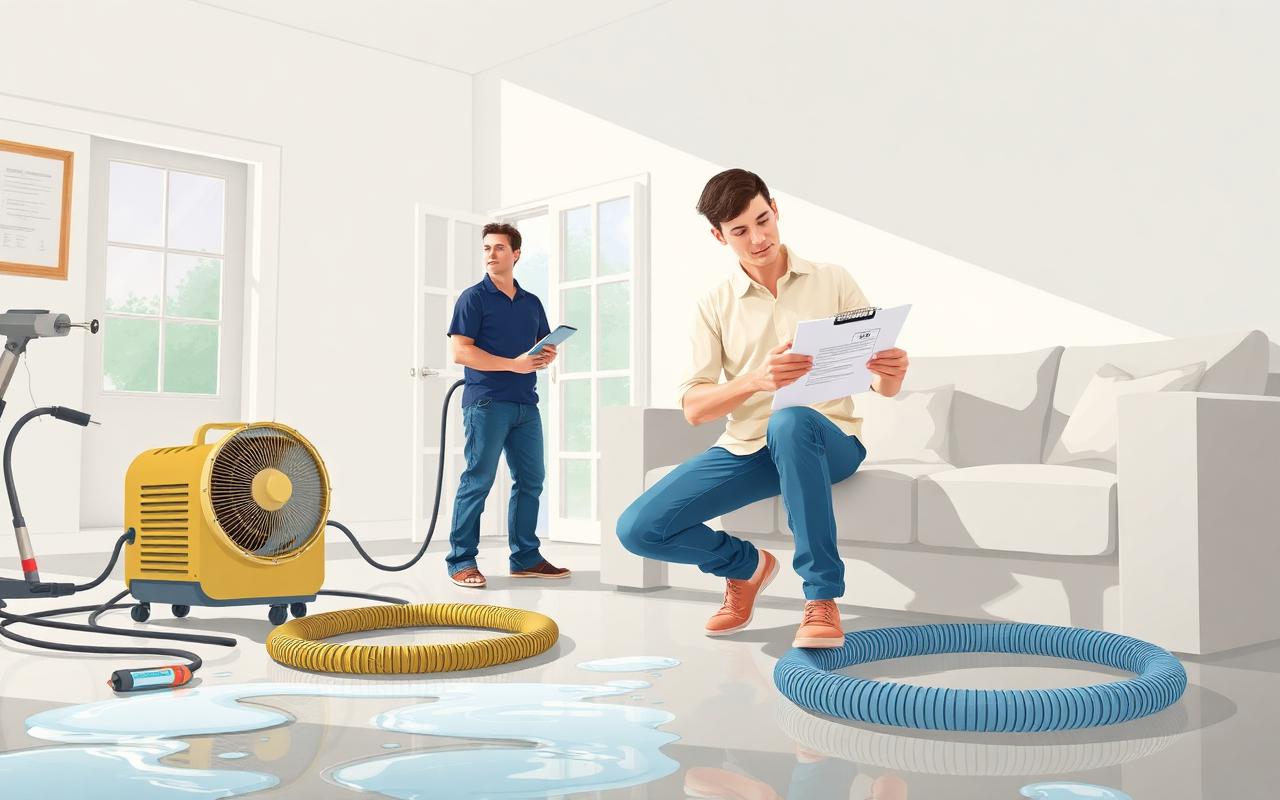
Water damage mitigation is the first damage control phase after water enters a home. It covers safety, source control, water extraction, drying, moisture checks, documentation, and a clean restoration handoff.
What this page is, and is not
What is water damage mitigation?
Water damage mitigation is the process of limiting additional damage after water enters a home. It usually includes stopping the source when safe, removing standing water, checking moisture, drying affected materials, documenting damage, and preparing the home for restoration. Mitigation comes before repair or rebuild work.
For the shorter industry term and a plain-English explanation, see the water mitigation definition.
Key points
- Mitigation is damage control, not full repair.
- Fast action can reduce secondary damage.
- Moisture readings and drying logs matter.
- Insurance may review documentation, but coverage is not guaranteed.
- A written scope should explain what is included.
Water Damage Mitigation Steps
The list below is the common order homeowners can expect when a qualified company arrives. Smaller losses may skip some steps. Larger or contaminated losses may require containment and additional safety work.
- 1Safety check
- 2Stop or isolate the water source when safe
- 3Document damage with photos and video
- 4Remove standing water
- 5Inspect moisture in walls, flooring, and cavities
- 6Set drying equipment such as air movers and dehumidifiers
- 7Monitor drying with daily moisture readings
- 8Remove unsalvageable materials when needed
- 9Prepare a clean restoration handoff
Water Damage Mitigation Process at a Glance
Use this table as a reference when reviewing a scope of work or comparing local companies. Each row maps a stage to what usually happens and a question a homeowner can ask.
| Step | What happens | What homeowners should ask |
|---|---|---|
| Safety check | A technician looks for electrical risk, structural concerns, and contamination before any work starts. | Is the area safe to enter, and where is power shut off? |
| Source control | The active water source is stopped or isolated when it can be done safely. | Has the source been confirmed and contained? |
| Water extraction | Standing water is removed with portable or truck mounted extractors. | How much standing water is being removed? |
| Moisture inspection | Pin and pinless meters and thermal imaging map wet materials and hidden moisture. | What is the dry standard for this loss? |
| Structural drying | Air movers are placed on a deliberate pattern to evaporate moisture from materials. | How many air movers, and for how many days? |
| Dehumidification | Commercial dehumidifiers pull moisture out of the air so it does not redeposit into building materials. | How many dehumidifiers are running and where? |
| Controlled demolition | Drywall, baseboards, insulation, or flooring that cannot be dried in place are removed and documented. | Which materials will be removed and why? |
| Documentation | Photos, moisture logs, equipment counts, and a written scope are recorded for the homeowner and insurer. | Will I receive daily moisture logs and photos? |
| Restoration handoff | When the structure reaches the dry standard, the project hands off to a restoration contractor. | Who handles the repair and rebuild scope after drying? |
When Should You Call a Water Damage Mitigation Company?
Some small spills can be handled with towels, fans, and a portable dehumidifier. The situations below usually call for a qualified local company with proper equipment and training.
- Water is spreading beyond one small area
- Wet drywall, ceiling, or flooring
- Flooded basement
- Burst pipe water damage
- Appliance overflow such as washer, dishwasher, or water heater
- Sewage backup
- Water near electrical outlets, panels, or appliances
- Multiple rooms affected
- Water sitting more than 24 hours
- Unsure where the water came from
To compare options, see the water mitigation company guide, the find local help directory tips, and the emergency water mitigation guide.
What Water Damage Mitigation Services Usually Include
Water damage mitigation services are the practical tasks a company performs on site. Industry training such as IICRC Water Damage Restoration Technician and IICRC Applied Structural Drying covers this kind of assessment and drying work.
- Inspection and safety check
- Water extraction
- Moisture mapping
- Structural drying
- Dehumidification
- Air movement
- Controlled demolition
- Antimicrobial cleaning when appropriate
- Daily drying logs
- Insurance documentation
For a deeper breakdown, see the water mitigation services page.
Water Damage Mitigation vs Cleanup vs Restoration
These terms are related but not the same. The table below sets them side by side so homeowners can read an estimate or claim summary with more confidence.
| Term | Main goal | Examples |
|---|---|---|
| Water damage mitigation | Stop further damage and dry the structure. | Extraction, drying, dehumidification, demolition, documentation. |
| Water damage cleanup | Remove water, debris, and surface contamination. | Extraction, soft content removal, surface cleaning, disposal. |
| Water damage restoration | Repair or rebuild damaged materials after drying. | Drywall, flooring, paint, trim, cabinets, finish work. |
| Mold remediation | Contain and remove microbial growth safely. | Containment, HEPA cleaning, material removal, post test. |
| Plumbing or roof repair | Fix the source of the water. | Pipe repair, valve replacement, roof patch, flashing repair. |
For more detail on the two main phases, read water mitigation vs restoration.
What Affects Water Damage Mitigation Cost?
Cost depends on the water category, affected area, dwell time, materials, equipment, monitoring, demolition, sewage or mold risk, emergency timing, and local labor rates. Exact prices vary by property and company, so the table below describes cost pressure rather than guaranteed amounts.
| Situation | Cost pressure | Why |
|---|---|---|
| Small clean-water leak | Lower | Limited area, fewer drying days, minimal demolition. |
| Burst pipe in one room | Moderate | More extraction, hidden moisture in walls, several drying days. |
| Flooded basement | Higher | Large square footage, finished materials, longer drying. |
| Water inside walls | Higher | Hidden moisture extends drying and may require demolition. |
| Sewage backup | Highest | Containment, PPE, antimicrobials, and contaminated material disposal add scope. |
| Multiple rooms affected | Higher | More equipment days and more documentation. |
| Water present more than 24 hours | Higher | Deeper saturation, secondary damage, and microbial risk. |
For a full breakdown and an interactive estimator, see the water mitigation cost page.
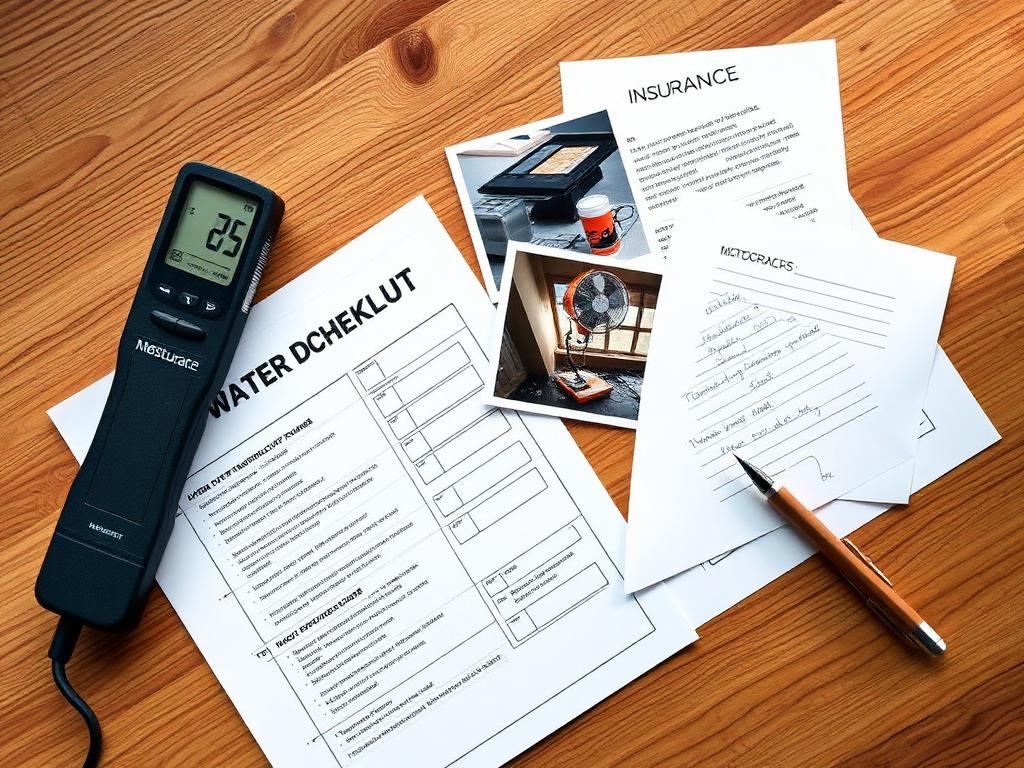
What to Document for Insurance
Documentation helps a claim review move faster, but it does not guarantee coverage. The checklist below mirrors what many insurers look for when reviewing a water damage claim.
- Photos and videos of every wet area
- Water source and how it was discovered
- Date and time the damage was discovered
- Affected rooms and materials
- Damaged items with model or serial when possible
- Receipts for emergency repairs and supplies
- Written contractor estimate or scope
- Moisture readings provided by the company
- Daily drying logs and equipment counts
- Insurer claim number if one has been opened
For a deeper guide, use the insurance checklist and review the disclaimer.
Mistakes to Avoid During Water Damage Mitigation
These are the common missteps that slow down drying, add cost, or weaken an insurance claim.
Entering unsafe water
Standing water can hide sharp objects, contamination, or live electrical risk. Confirm power is off and the area is safe before stepping in.
Ignoring electrical risk
Water near outlets, panels, or appliances is a serious hazard. Cut power at the breaker only if the panel is dry and accessible, otherwise wait for a professional.
Waiting too long when water is spreading
Every additional hour of dwell time deepens saturation and raises the chance of microbial growth. Quick action limits secondary damage.
Throwing away damaged items before photos
Document items and materials before disposal. Photos and video support both the scope of work and the insurance review.
Using household fans in contaminated water
Standard fans can spread bacteria from sewage or gray water. Category 2 and 3 losses need professional containment and proper equipment.
Signing unclear paperwork
A vague work authorization can lock you into open scope and assignment of benefits language. Ask for a written scope with line items before signing.
Assuming insurance covers everything
Coverage depends on the policy, cause of loss, exclusions, and deductible. Documentation supports a claim but does not guarantee payment.
Ignoring hidden moisture
Surfaces can feel dry while wall cavities, subfloor, or insulation stay wet. Moisture meters and thermal imaging help find what is not visible.
Mixing mitigation and restoration scopes
A bundled estimate makes it hard to compare bids and harder for an adjuster to review line items. Keep the two scopes separated.
What this means for homeowners
If the water damage is small, clean, and contained, documentation and quick drying may be enough. If water reached walls, flooring, ceilings, electrical areas, sewage, or more than one room, a qualified company should inspect the damage and provide a written scope before any work begins.
Helpful References
These references are used for general education about water damage cleanup, drying, moisture control, safe cleanup, and claim preparation. They are not contractor recommendations or guarantees of coverage.
Industry training for water damage cleanup, drying, and remediation knowledge.
Training focused on effective and timely drying of water damaged structures and contents.
General homeowner guidance on drying wet materials and controlling indoor moisture.
Public health guidance on safe cleanup practices after water damage.
Guidance on documenting damaged property, taking photos and videos, and contacting your insurer.
Water Damage Mitigation FAQs
- Water damage mitigation is the process of limiting additional damage after water enters a home. It usually includes stopping the source when safe, removing standing water, checking moisture, drying affected materials, documenting damage, and preparing the home for restoration. Mitigation comes before any repair or rebuild work.
- Yes. The two terms describe the same damage control phase after a leak, flood, or other water event. Water damage mitigation is the longer term most homeowners search, while water mitigation is the shorter form often used by contractors and insurers.
- The first step is a safety check followed by stopping or isolating the water source when it can be done safely. After that, a technician documents the damage, removes standing water, and inspects moisture to plan structural drying.
- Call a qualified local company when water spreads beyond one small area, when drywall, ceilings, or flooring are wet, when a basement floods, when there is sewage involved, when water sits near electricity, or when water has been present for more than a day.
- Water damage mitigation services usually include inspection, water extraction, moisture mapping, structural drying, dehumidification, controlled demolition when needed, antimicrobial cleaning when appropriate, drying logs, and insurance documentation.
- Many residential mitigation projects run about three to five days of active drying after extraction, but the actual timeline depends on the water category, the materials involved, the amount of water, and how quickly daily readings reach the dry standard.
- It can. Homeowners insurance often reviews mitigation documentation to support why drying and demolition were needed. Coverage depends on your policy, the cause of loss, exclusions, deductible, and the insurer's review.
- No. Mitigation is the damage control phase that limits further damage and dries the structure. Restoration is the repair and rebuild phase that follows after the structure reaches a documented dry standard.
- No. Water Mitigation Hub is an independent online resource for homeowners. We do not perform water damage mitigation, we do not dispatch crews, and we do not have technicians. We publish guidance you can use with any qualified local company you choose.
Return to the Water Mitigation Hub homepage or browse the full sitemap.