1
Stay out of unsafe or contaminated areas
Avoid rooms with sewage, floodwater, sagging ceilings, wet electrical items, strong odor, or widespread suspected growth.
Mold after water damage guide
A safety-first homeowner guide to suspected mold after water damage, moisture control, hidden material risks, documentation, insurance questions, and when not to disturb affected areas.

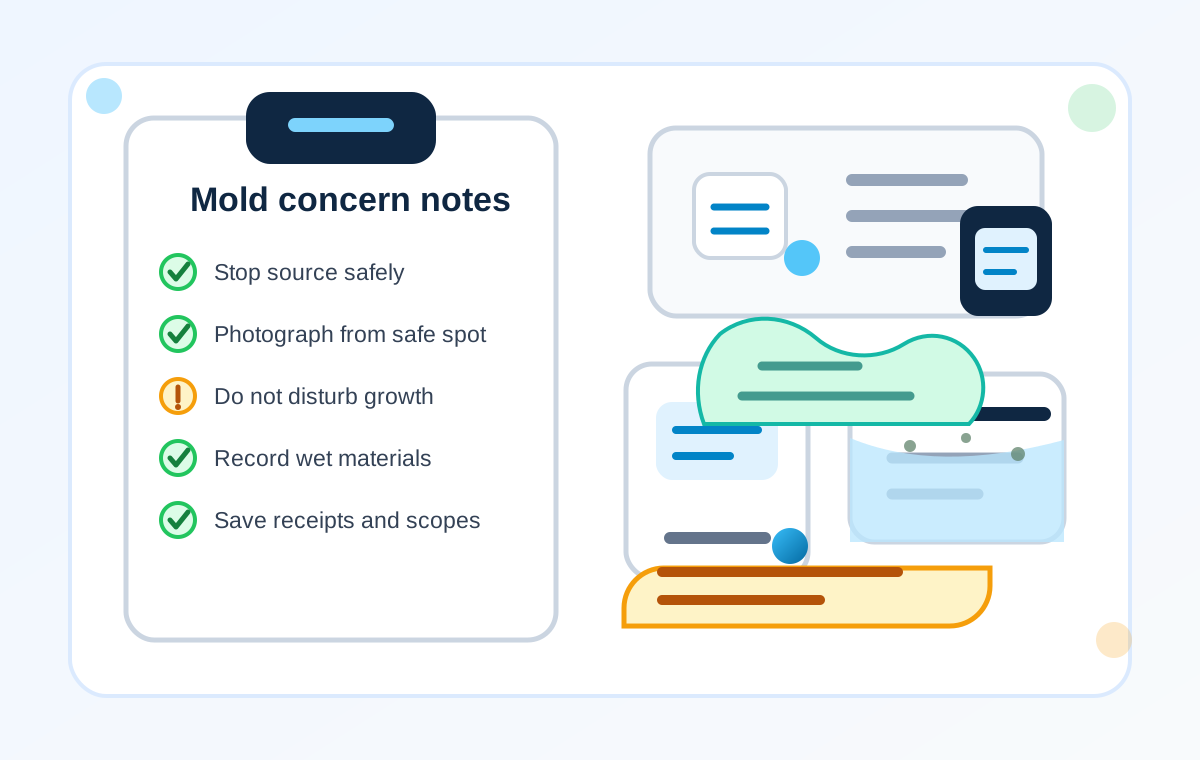
Suspected mold after water damage needs source control, moisture control, safe documentation, and caution before anything is disturbed. Wet drywall, wet carpet, wet insulation, crawl spaces, attics, sewage, floodwater, cabinets, ceiling cavities, and stored contents can stay damp after surfaces look dry. Musty odor, visible growth, recurring leaks, or health-sensitive people make the situation more serious. Photograph from a safe location, keep children, pets, older adults, and health-sensitive people away, and avoid fans if contamination or mold is suspected. When conditions are unsafe, hidden, or widespread, professional evaluation may be safer than DIY cleanup.
Start with safety and documentation. Skip any step that requires disturbing suspected mold, entering contaminated water, touching wet electrical equipment, or opening hidden cavities without qualified guidance.
Avoid rooms with sewage, floodwater, sagging ceilings, wet electrical items, strong odor, or widespread suspected growth.
Shut a reachable valve, stop using the fixture, or protect against more water only when you can do so without entering unsafe conditions.
Do not scrape, brush, sand, vacuum, or open hidden areas when suspected mold may be present.
Document moisture, staining, odor sources, affected materials, and the suspected water source before major cleanup when safe.
Look at nearby rooms, ceilings, flooring edges, wall cavities only if already open, crawl spaces, and attics without disturbing materials.
Dehumidification may help after the source is stopped, electricity is safe, and sewage, floodwater, or suspected mold is not being blown around.
Sewage, floodwater, large areas, strong odor, health-sensitive occupants, hidden moisture, and recurring water damage may need professional evaluation.
Mold risk can increase when building materials and contents stay wet. Public guidance often uses 24 to 48 hours as a caution window for wet materials under favorable conditions, but timing is not exact. Moisture level, temperature, material type, ventilation, contamination, dust, and how quickly the source is stopped all matter.
A wall, cabinet, carpet pad, attic space, or crawl space can remain damp even when the visible surface looks dry. The safest focus is source control, humidity control, documentation, and avoiding disturbance of suspected growth.
| Situation | Why mold risk increases | First step | More serious when |
|---|---|---|---|
| wet drywall | Paper facing and hidden wall cavities can stay damp after the surface looks dry. | Photograph staining and avoid cutting or disturbing the wall. | Drywall is soft, growth is visible, insulation may be wet, or the leak recurs. |
| wet carpet and padding | Padding can hold moisture below the carpet and raise humidity near baseboards. | Keep traffic off the area and document the water source. | Water is sewage, floodwater, unknown, or the carpet stayed wet for an extended time. |
| wet insulation | Insulation can hold water inside wall, ceiling, attic, or crawl-space assemblies. | Do not pull it apart or disturb it without understanding contamination and access risks. | It is saturated, contaminated, hidden, or near electrical equipment. |
| flooded basement | High humidity, wet framing, wet drywall, contents, and stored boxes can support growth. | Stay out until electrical and contamination hazards are considered. | Floodwater, sewage, prolonged standing water, or a musty odor is present. |
| crawl-space water | Low ventilation, wet soil, insulation, joists, vapor barriers, and subflooring can remain damp. | Avoid entry if access, electricity, pests, sewage, or strong odors are concerns. | Wet insulation, standing water, sewage, or recurring moisture is present. |
| attic leak | Wet insulation, roof sheathing, rafters, and ceiling drywall may be hidden from living space. | Photograph from safe access and check the ceiling below. | Water is near wiring, ceiling drywall sags, or a musty odor appears. |
| bathroom leak | Cabinets, drywall, flooring edges, subfloor, and wall cavities may stay damp. | Stop using the fixture and document affected materials. | The leak involves drain water, toilet overflow, repeated staining, or odor. |
| sewage or floodwater | Contamination changes cleanup, PPE, containment, removal, and drying decisions. | Stay out of affected areas and avoid fans. | Porous materials, HVAC areas, children, pets, or health-sensitive occupants are involved. |
| hidden leak | Slow leaks can wet drywall, cabinets, flooring, subfloor, and cavities before damage is visible. | Document stains, odors, dates, and nearby plumbing or appliance use. | The source is unknown, moisture returns, or growth appears after cleanup. |
Hidden moisture can keep mold risk active after the obvious puddle is gone. Do not open hidden spaces simply to look for mold when wiring, plumbing, insulation, contamination, or unsafe materials may be present. Document visible clues and ask how hidden moisture will be evaluated safely.
Small visible spots from clean water may sometimes be handled with appropriate safety steps and public guidance, especially when the source is fixed quickly and the material is not porous or hidden. Even then, homeowners should avoid breathing dust, spreading debris, or using methods that push particles into other rooms.
Professional evaluation is safer when growth is widespread, water was sewage or floodwater, materials are porous, the area is hidden, occupants are health-sensitive, odor is strong, HVAC may be involved, or the source keeps returning. This guide does not diagnose symptoms or instruct homeowners to disturb hidden mold.
Water Mitigation Hub does not arrange or provide services. If a homeowner contacts a water mitigation company or other qualified professional, the written scope should explain what was checked and why. The contractor checklist can help organize questions before approving work.
These terms can overlap during a water damage project, but they do not mean the same thing. Every home does not need every service. The right path depends on source, water category, time wet, affected materials, visible growth, hidden moisture, and safety.
| Term | What it usually means |
|---|---|
| Water mitigation | Work focused on limiting ongoing water damage, such as source control support, extraction, material decisions, and documentation. |
| Structural drying | Drying of wet building materials using measured moisture goals, dehumidification, controlled air movement, and monitoring. |
| Mold cleanup | Limited cleanup of small visible mold areas may be possible in some clean-water situations when public guidance and safety precautions fit the conditions. |
| Mold remediation | A more formal process for mold-contaminated areas that may involve containment, PPE, controlled removal, cleaning, disposal, and post-work documentation. |
| Repair or restoration | Later rebuilding or finish work, such as drywall, flooring, trim, paint, cabinets, insulation, or other replacements after drying or removal. |
| Insurance claim documentation | Photos, dates, source notes, readings, written scopes, estimates, receipts, and adjuster instructions that support insurer review without guaranteeing coverage. |
There is no guaranteed price for mold after water damage. Cost can depend on the source, category of water, how long materials stayed wet, where moisture traveled, what materials are affected, and whether mitigation, mold remediation, and repairs are separate scopes.
| Factor | Why it matters |
|---|---|
| water source | A sudden supply leak, roof leak, drain issue, sewage backup, floodwater, or hidden leak can change the scope. |
| water category | Clean water, gray water, contaminated water, and unknown water require different safety and material decisions. |
| affected materials | Drywall, carpet, insulation, cabinets, subfloor, contents, and ceiling cavities are handled differently. |
| size of affected area | A small spot is different from multiple rooms, crawl spaces, attics, or widespread wet materials. |
| hidden moisture | Moisture inside cavities, under flooring, or behind cabinets can increase evaluation and drying needs. |
| containment needs | Suspected mold, sewage, floodwater, and dust control may require containment planning. |
| material removal | Porous, contaminated, saturated, or mold-affected materials may need controlled removal. |
| drying equipment | Dehumidifiers, air movement, monitoring, and access needs depend on conditions and safety. |
| testing or assessment if used | Testing or assessment may be separate and should be explained in writing before approval. |
| remediation scope | Mold remediation can involve containment, PPE, cleaning, removal, disposal, and documentation. |
| repair or replacement | Drywall, insulation, flooring, cabinets, trim, paint, and contents may be part of later repair. |
| monitoring and documentation | Moisture logs, photos, reports, invoices, and estimates can add time but may support insurance review. |
Insurance may review documentation, but coverage is not guaranteed. Ask your insurer what they need before materials are removed when it is safe to wait and document first.
Ask clear questions before signing a work authorization, remediation agreement, or repair scope. The answers should separate mitigation, mold remediation, source repair, testing, contents, and reconstruction where those are different tasks.
| Question | Why to ask |
|---|---|
| What caused the moisture? | The source affects safety, cleanup, drying, material decisions, and insurance documentation. |
| Has the water source been stopped? | Moisture control will not hold if the leak or intrusion continues. |
| What water category is involved? | Clean water, gray water, sewage, floodwater, and unknown water require different precautions. |
| Which materials are affected? | Drywall, insulation, carpet, cabinets, subfloor, HVAC areas, and contents have different risk levels. |
| Is hidden moisture suspected? | Ask what areas were checked and what evidence supports the answer. |
| Is containment needed? | Containment may be needed when suspected mold, contaminated water, or dust control is a concern. |
| What may need removal? | Removal should be tied to contamination, saturation, material damage, or access needs. |
| What can dry in place? | Ask what readings, conditions, and material facts support drying in place. |
| How will moisture readings be documented? | Logs and photos help show what was wet, when it dried, and what was excluded. |
| Is mold remediation separate from water mitigation? | Separate scopes can affect cost, timing, responsibility, and documentation. |
| What is excluded? | Clarify testing, remediation, plumbing, roof, HVAC, electrical, repairs, contents, and insurance communication. |
| What documentation goes to insurance? | Ask for copies of photos, readings, estimates, invoices, written scopes, and daily notes. |
These references are included for general homeowner education about mold, moisture, cleanup safety, disaster recovery, and documentation. They are not advertisements, contractor recommendations, medical advice, legal advice, insurance advice, or guarantees.
For broad cleanup planning, start with water damage cleanup, emergency water mitigation, and the water mitigation process. Compare cost and hiring questions with water mitigation cost, water mitigation company, and the contractor checklist. Keep the insurance checklist nearby for documentation.
Mold risk after water damage often connects to drywall water damage, carpet water damage, hardwood floor water damage, flooded basement cleanup, crawl space water damage, attic water damage, bathroom water damage, kitchen water damage, sewage backup cleanup, and ceiling water damage. Browse all published guides in the sitemap or return to the Water Mitigation Hub homepage.