Scope comparison guide
Water Mitigation vs Remediation: Key Differences
Compare mitigation, remediation, drying, cleanup, and repair scopes after water damage so you know what to document and what questions to ask before approving work.
Informational resource only
Answer-first intro
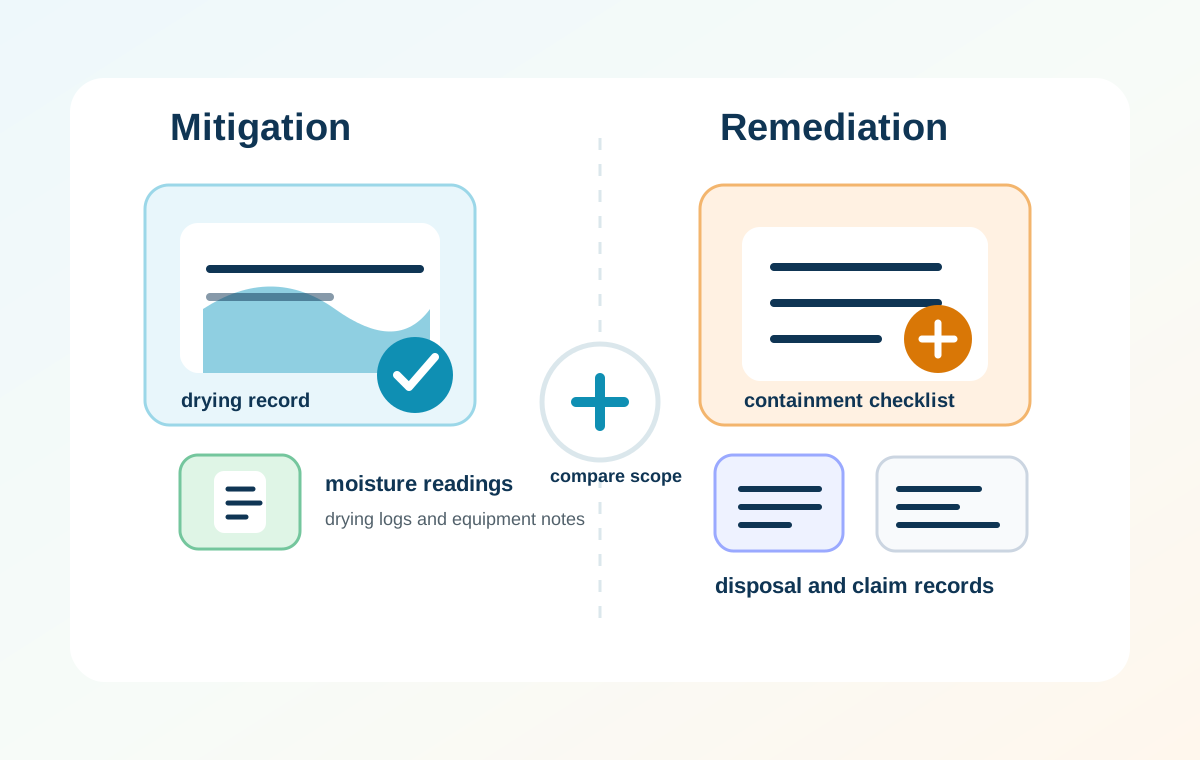
Water mitigation usually means stopping additional damage by removing water, drying materials, lowering humidity, and documenting moisture. Remediation usually means handling contamination, mold concern, sewage, floodwater, or affected materials that may need controlled cleaning, containment, removal, or disposal. Some jobs include both, but they are not the same. Stay safe first, stop the source when safe, avoid suspected mold or contaminated water, photograph from a safe location, and ask for written scopes, moisture readings, drying logs, and disposal records.
What this page is and is not
This guide explains common language homeowners may hear after water damage. It is not legal advice, insurance advice, mold advice, contractor advice, inspection, service, dispatch, quote assistance, or claim approval help.
Coverage, costs, and project scope depend on cause, policy terms, water category, affected materials, local conditions, and qualified evaluation where needed.
Safety before comparing scopes
Stay out of unsafe water, sewage, floodwater, and areas with electrical hazards.
Avoid disturbing suspected mold or contaminated porous materials.
Do not enter rooms with sagging ceilings, unstable floors, or structural movement.
Keep children, pets, older adults, and health-sensitive people away from affected areas.
Document from a safe location and wait for qualified help when hazards are unclear.
Water mitigation vs remediation table
| Factor | Water mitigation | Water remediation |
|---|---|---|
| Main goal | Limit additional water damage and dry affected materials. | Address contamination, mold concern, sewage, or unsafe affected materials. |
| Common trigger | Clean or limited water damage that needs extraction, drying, and monitoring. | Mold growth, sewage, floodwater, contamination, or materials that cannot safely remain. |
| Typical work | Extraction, moisture mapping, air movers, dehumidifiers, drying logs, and limited removal. | Containment, PPE, cleaning, HEPA vacuuming when appropriate, removal, disposal, and documentation. |
| Documentation | Photos, moisture readings, equipment logs, drying goals, and affected material notes. | Remediation scope, containment notes, disposal records, photos, and clearance or evaluation records if used. |
| End point | Materials are dry or the drying phase is complete enough for repair planning. | The defined contamination or mold-related scope is complete before repair or restoration continues. |
What water mitigation may include
Mitigation focuses on limiting additional water damage and creating a documented drying path. It may include the following work when conditions are safe and appropriate.
| Task | What it means | What to ask |
|---|---|---|
| Source control | Stopping or isolating the leak when safe. | Ask who confirmed the source and whether repairs are separate. |
| Water extraction | Removing standing or absorbed water. | Ask what areas were extracted and what materials remain wet. |
| Moisture mapping | Checking affected and nearby materials for hidden moisture. | Ask for written moisture readings and room notes. |
| Structural drying | Using air movement and dehumidification to dry materials. | Ask how equipment placement and daily logs will be documented. |
| Limited removal | Removing materials that cannot dry in place. | Ask what is mitigation removal versus later restoration repair. |
What water remediation may include
Remediation is more likely when the issue involves mold concern, sewage, floodwater, contamination, or porous materials that cannot safely dry in place. It may overlap with mitigation, but the safety controls and documentation are different.
| Situation | Why scope changes | What to ask |
|---|---|---|
| Mold concern | Visible growth, musty odor, or long wet time may change the work scope. | Avoid disturbing suspected mold and ask how containment is handled. |
| Sewage or floodwater | Contaminated water can make porous materials unsafe to dry in place. | Ask what removal, cleaning, disposal, and documentation are included. |
| Containment | Work areas may need to be isolated before disturbance. | Ask what rooms are contained and what access limits apply. |
| Material removal | Drywall, insulation, carpet pad, or contents may need removal. | Ask what is removed, why, and how disposal is recorded. |
| Repair handoff | Remediation usually does not mean the space is rebuilt. | Ask when restoration or reconstruction begins and what is excluded. |
When mitigation may be enough and when remediation may be needed
A clean water leak caught quickly may sometimes stay mostly in mitigation and drying. Remediation becomes more likely when the water is contaminated, materials are porous, moisture stayed hidden, mold is suspected, or the leak repeats.
| Situation | Likely direction | Documentation step |
|---|---|---|
| Clean water leak caught quickly | Mitigation may be the main scope. | Document source, affected materials, and moisture readings. |
| Wet drywall or insulation | Mitigation may start, but removal or remediation may be needed. | Ask whether hidden moisture, dwell time, or contamination changes the scope. |
| Mold suspected | Remediation may be needed before repair. | Do not disturb suspected growth and ask about professional evaluation. |
| Sewage backup | Remediation or specialized cleanup is often more likely. | Avoid contact and ask how contaminated materials are handled. |
| Floodwater | Contamination can change drying and removal decisions. | Ask your insurer about flood coverage and save documentation. |
| Recurring leak | Mitigation alone may not solve the underlying problem. | Ask whether the source has been repaired and whether mold risk is present. |
What a company/professional may check
Water Mitigation Hub does not perform these checks, arrange services, or send inspectors. A qualified company or professional may review the following items to separate mitigation, remediation, and repair decisions. You can also use the water mitigation company guide and contractor checklist before approving a scope.
| Item | Why it matters |
|---|---|
| Water source | The detail helps separate mitigation, remediation, and repair scopes. |
| Water category | Clean, gray, sewage, or floodwater context can change drying and removal decisions. |
| Affected rooms | The detail helps separate mitigation, remediation, and repair scopes. |
| Moisture readings | Readings can support drying decisions and insurance documentation. |
| Drywall, flooring, insulation, and cabinets | The detail helps separate mitigation, remediation, and repair scopes. |
| Ceiling cavities, crawl space, and attic | The detail helps separate mitigation, remediation, and repair scopes. |
| Visible mold concern | The detail helps separate mitigation, remediation, and repair scopes. |
| Sewage or floodwater contamination | The detail helps separate mitigation, remediation, and repair scopes. |
| Containment needs | Containment may be considered before suspected mold or contaminated materials are disturbed. |
| Drying plan | The detail helps separate mitigation, remediation, and repair scopes. |
| Material removal decisions | The detail helps separate mitigation, remediation, and repair scopes. |
| Documentation package | The detail helps separate mitigation, remediation, and repair scopes. |
Water mitigation, remediation, mold remediation, cleanup, drying, and restoration
These terms can appear on separate estimates. Ask each provider to label the scope so you know what is drying, what is remediation, what is cleaning, and what is repair.
| Scope | Plain meaning |
|---|---|
| Water mitigation | Limits additional damage through extraction, drying, dehumidification, and monitoring. |
| Structural drying | Uses airflow, dehumidification, and moisture readings to dry affected materials. |
| Remediation | Addresses mold concern, sewage, floodwater, contamination, or affected materials that need controlled handling. |
| Mold remediation | A separate scope that may include containment, removal, HEPA cleaning, and disposal records. |
| Cleaning and sanitizing | May be included when contamination or affected surfaces require cleaning within the written scope. |
| Restoration or repair | Rebuilds drywall, flooring, trim, cabinets, paint, or finishes after mitigation or remediation. |
| Insurance documentation | Collects photos, readings, logs, scopes, invoices, and notes for insurer review. |
Cost factors for mitigation and remediation
This page does not provide fixed prices. Cost depends on the provider, water source, water category, area affected, materials, access, documentation, and whether restoration or repair is separate. For broader pricing context, see the water mitigation cost guide.
| Factor | Why it matters |
|---|---|
| Water category | Sewage, floodwater, or gray water can increase safety controls and removal needs. |
| Affected area | More rooms and larger square footage can require more labor, monitoring, and equipment. |
| Material type | Drywall, insulation, carpet pad, cabinets, subfloor, and contents can each change scope. |
| Time wet | Longer dwell time may increase mold risk and removal decisions. |
| Containment | Containment, PPE, and controlled work zones can add remediation scope. |
| Drying equipment | Air movers, dehumidifiers, and monitoring days affect mitigation records. |
| Material removal | Demolition, bagging, disposal, and replacement are often separate line items. |
| Mold or contamination concern | Testing, evaluation, or remediation may be separate depending on the project. |
| Emergency timing from actual providers | After-hours work from providers may affect invoices, but pricing is not guaranteed. |
| Documentation | Photos, moisture logs, disposal records, and written scopes can affect claim review. |
Insurance documentation checklist
Documentation may support insurer review, but it does not guarantee coverage. Keep one claim file with mitigation and remediation records separated when possible.
Questions to ask your insurer
| Question | Why ask |
|---|---|
| Is mitigation reviewed separately from remediation? | This helps you understand how invoices and scopes should be organized. |
| What documentation do you need? | Ask about photos, moisture readings, drying logs, disposal records, and written scopes. |
| Does my policy include sewer backup or flood coverage? | Homeowners coverage and flood coverage are often reviewed differently. |
| How are mold concerns reviewed? | Coverage depends on policy terms, endorsements, exclusions, cause, and insurer review. |
| Should damaged materials be kept? | Ask before discarding items when it is safe to wait. |
| How should records be submitted? | Use the claim number and preferred upload or email method. |
Questions to ask a mitigation or remediation company
| Question | Why ask |
|---|---|
| Is this mitigation, remediation, restoration, or a combined scope? | Clear labels make estimates easier to compare. |
| What water category is involved? | Category can affect drying, removal, PPE, and documentation. |
| What materials can dry in place? | Ask what evidence supports drying decisions. |
| What materials may need removal? | Ask why removal is needed and whether approval is required first. |
| Will moisture readings and drying logs be provided? | These records may support project review and insurance documentation. |
| Is containment needed? | Containment may matter for mold, sewage, floodwater, or dust-producing work. |
| What is excluded? | Excluded repairs, testing, contents, or reconstruction should be stated in writing. |
| How are change orders approved? | Written approval helps avoid unclear added charges. |
Mistakes to avoid
| Mistake | Why it matters |
|---|---|
| Assuming mitigation and remediation are the same | They can overlap, but remediation usually handles contamination or mold-related concerns. |
| Disturbing suspected mold | Disturbance can spread particles. Avoid touching or opening hidden areas when mold is suspected. |
| Using fans on sewage or floodwater | Air movement can spread contamination if the water is unsafe. |
| Approving repairs before moisture is handled | Finishes can trap moisture if drying or removal decisions are incomplete. |
| Signing vague scopes | Ask for written details separating mitigation, remediation, and restoration. |
| Assuming insurance covers every scope | Coverage depends on policy terms, cause, exclusions, deductible, endorsements, and insurer review. |
| Throwing away materials too early | Photograph and ask the insurer when safe before disposal. |
| Losing moisture or disposal records | These records can help explain why drying or removal was performed. |
Scenario examples
| Situation | Mitigation angle | Remediation angle |
|---|---|---|
| Burst pipe | Often starts as mitigation if the water is clean and caught quickly. | Remediation may be needed if materials stayed wet, mold is suspected, or contamination appears. |
| Appliance overflow | Extraction and drying may be needed first. | Remediation may be needed if water sat, reached wall cavities, or involved gray water. |
| Sewage backup | Standing water removal is not enough by itself. | Contaminated materials, containment, cleaning, and disposal records may be needed. |
| Flooded basement | Mitigation may remove water and start drying. | Floodwater, long dwell time, or mold concern can shift the scope toward remediation. |
| Roof leak | Mitigation may dry ceiling, attic, or insulation areas. | Remediation may be needed if insulation, wood, or drywall shows mold concern. |
| Wet crawl space | Mitigation may manage water and humidity. | Remediation may be needed for contaminated insulation, mold concern, or sewage. |
| Hidden wall leak | Moisture mapping and selective openings may be needed. | Remediation may be needed if growth, odor, or long-term leakage is found. |
Helpful references
- EPA mold cleanup guidance explains moisture control, cleanup size, and when professional help may be needed.
- CDC flood safety guidance covers hazards from floodwater, electricity, cleanup, and health-sensitive people.
- FEMA cleaning safely after a disaster provides public disaster cleanup safety guidance.
- Red Cross flood recovery information includes practical safety steps after flooding.
- IICRC S500 public information describes the water damage restoration standard context used by trained professionals.
Checklist image summary

Related guides
Related guides
- Water mitigation vs restoration
- Water mitigation process
- Structural drying after water damage
- Water damage cleanup
- Mold after water damage
- Sewage backup cleanup
- Flooded basement cleanup
- Water extraction services
- Emergency water mitigation
- Emergency water removal
- Water mitigation cost
- Emergency water mitigation cost
- Water damage restoration
- Water damage restoration services
- Contractor checklist
- Water damage insurance checklist
- Water mitigation insurance claim
- How to document water damage
- Drywall water damage
- Wet insulation water damage
- Carpet water damage
- Crawl space water damage
- Sitemap
FAQ
Water mitigation vs remediation FAQs
- Water mitigation limits additional water damage through extraction, drying, dehumidification, moisture checks, and documentation. Remediation handles contamination, mold concern, sewage, floodwater, or affected materials that may need controlled handling, cleaning, containment, or removal.
- No. Remediation usually handles mold, sewage, contamination, or unsafe affected materials. Restoration usually means repairing or rebuilding damaged finishes after mitigation or remediation work is complete.
- Remediation may be needed when water involved sewage or floodwater, materials stayed wet long enough to raise mold concern, porous materials are contaminated, hidden moisture is found, or the affected area cannot safely dry in place.
- Not always. Mitigation and mold remediation can be separate scopes. Ask whether suspected mold is being evaluated separately, whether containment is needed, and what documentation will be provided.
- Wet drywall may sometimes dry after clean water if it is caught quickly and drying can be verified. Remediation or removal may be needed if drywall is contaminated, mold is suspected, insulation behind it is wet, or moisture stayed hidden.
- A sewage backup can involve water removal and drying, but contamination often makes remediation or specialized cleanup more likely. Avoid contact with the water and ask how removal, cleaning, PPE, disposal, and documentation are handled.
- Save photos, videos, source notes, dates, affected room lists, water category notes, moisture readings, drying logs, remediation scopes, containment notes, disposal records, invoices, receipts, claim number, adjuster notes, and a communication log.
- Coverage depends on policy terms, cause of loss, exclusions, deductible, endorsements, documentation, and insurer review. Documentation may support review, but it does not guarantee coverage.
- Ask what caused the issue, what water category is involved, whether containment is needed, what materials may be removed, what is excluded, how disposal is documented, whether restoration is separate, and how changes are approved.
- No. Water Mitigation Hub is an independent informational homeowner resource. It does not provide remediation, mitigation, drying, restoration, inspection, quotes, dispatch, contractor ranking, or insurance guarantees.