Confirm the area is safe
Do not enter rooms with standing water near electrical equipment, sewage, floodwater, sagging ceiling drywall, weak flooring, or unknown hazards.
Restoration services guide
A safety-first homeowner guide to restoration services, mitigation, drying, repairs, reconstruction, and documentation after water damage.
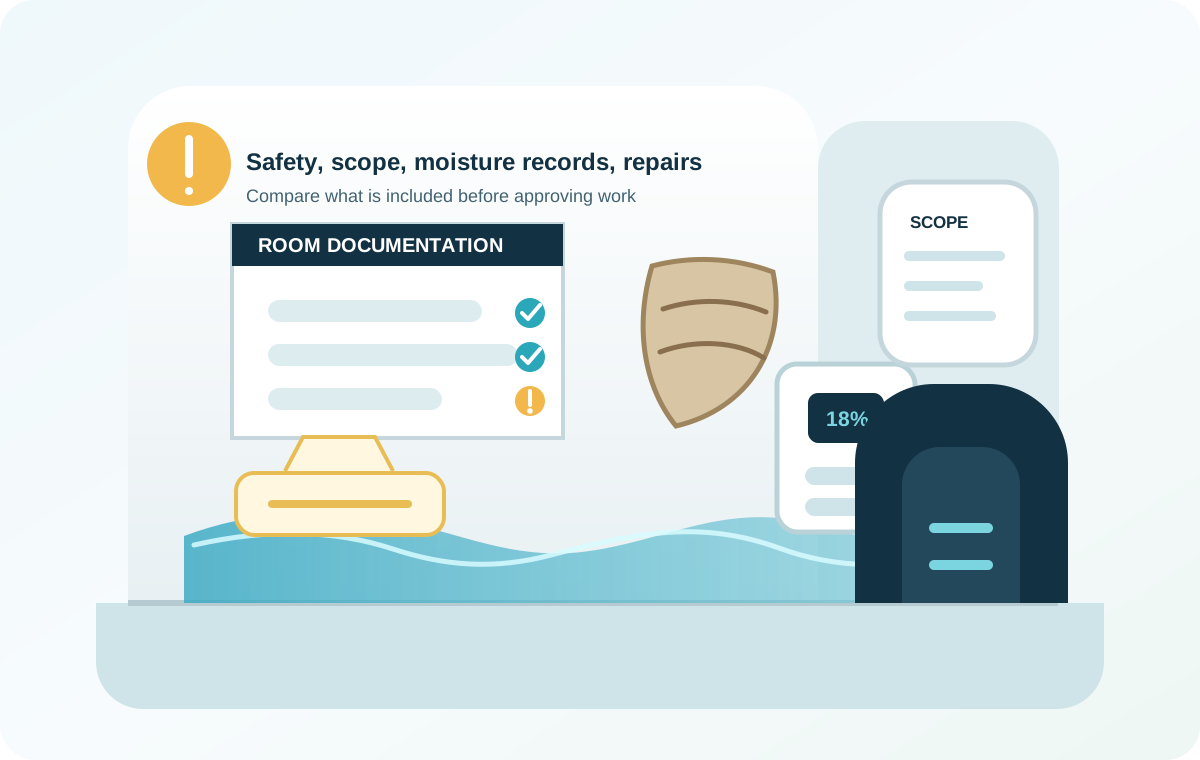
Water damage restoration services may include water extraction, mitigation, drying, material removal, cleaning, repair planning, and reconstruction after the source is controlled. Mitigation, drying, mold-related work, repairs, and reconstruction can be separate scopes, even when one provider offers more than one phase. Cost and insurance review depend on the cause, water category, affected materials, timing, written scopes, moisture documentation, and policy terms. Coverage is not guaranteed.
A restoration services decision should come after immediate safety, source control, and documentation questions. The goal is to understand what is wet, what is unsafe, what is included, and what is still separate.
Do not enter rooms with standing water near electrical equipment, sewage, floodwater, sagging ceiling drywall, weak flooring, or unknown hazards.
Close a reachable supply valve, stop using the fixture, or arrange source repair only when it can be done without entering unsafe areas.
Photograph and video the source, water path, affected rooms, flooring, drywall, ceilings, cabinets, contents, and any visible safety concerns.
Ask which parts are extraction, mitigation, drying, cleaning, material removal, repair, reconstruction, contents handling, or insurance documentation.
Request written scopes, moisture readings, drying logs, equipment notes, exclusions, change-order rules, and payment terms before approving work.
Keep estimates, receipts, photos, source repair notes, drying records, claim number, adjuster instructions, and signed authorizations together.
The phrase restoration services can cover many different tasks. Before approving work, ask each provider to separate emergency extraction, mitigation, drying, material removal, cleaning, repairs, reconstruction, and insurance documentation.
| Service scope | What it may include | Usually separate from | What to document |
|---|---|---|---|
| emergency water extraction | Removing standing water or excess absorbed water from rooms, carpet, flooring, or contained areas. | Plumbing repair, roof repair, drying logs, reconstruction, and final repairs. | Water depth, affected rooms, source photos, extraction start time, and equipment used. |
| water mitigation | Limiting additional damage, protecting materials, starting drying decisions, and documenting affected areas. | Permanent source repair, mold remediation, reconstruction, and insurance coverage decisions. | Photos, water source notes, material condition, written scope, and mitigation estimate. |
| structural drying | Air movers, dehumidification, moisture readings, monitoring visits, and drying logs. | Material replacement, reconstruction, source repair, and policy approval. | Moisture readings, equipment placement, drying dates, humidity notes, and final readings. |
| material removal | Removing wet drywall, baseboards, flooring, carpet pad, insulation, trim, or damaged porous materials when needed. | Finish repairs, replacement materials, upgrades, and full rebuild work unless listed. | Photos before removal, reason for removal, affected rooms, disposal notes, and approvals. |
| cleaning and sanitizing | Cleaning affected surfaces and addressing water category concerns where appropriate. | Reconstruction, contents restoration, and mold remediation unless the scope says otherwise. | Affected surfaces, products or methods listed in the scope, water category, and exclusions. |
| mold-related evaluation | Reviewing visible growth, odor, wet time, affected materials, and whether a separate mold scope may be needed. | Medical advice, insurance guarantees, testing guarantees, or full remediation unless contracted. | Photos, moisture history, visible growth notes, referral notes, and separate mold-related scope. |
| contents handling | Moving, inventorying, drying, cleaning, storing, or discarding affected belongings. | Specialty restoration, replacement valuation, and claim approval unless separately included. | Item lists, photos, serial numbers, receipts, disposal records, and storage notes. |
| repair estimate | Written repair planning for drywall, flooring, cabinets, trim, paint, insulation, and related finishes. | Emergency mitigation invoice, source repair, and insurer approval. | Estimate assumptions, included materials, exclusions, measurements, and change-order terms. |
| reconstruction | Rebuilding or replacing damaged finish materials after mitigation and drying decisions are made. | Extraction, drying logs, mold remediation, source repair, and contents handling unless included. | Signed scope, materials, timeline, change orders, completion photos, and warranties if offered. |
| insurance documentation | Photos, videos, estimates, invoices, drying logs, source notes, receipts, and claim communication. | Coverage decisions, settlement guarantees, or public adjusting unless separately contracted. | Claim number, adjuster instructions, document dates, provider notes, and written scopes. |
Extraction removes water from affected rooms or materials. Mitigation limits additional damage and starts drying decisions. Cleanup addresses affected areas and materials, especially when water category, debris, odor, or contamination changes the work. Structural drying uses airflow, dehumidification, and monitoring to reduce moisture in materials that can safely dry. Restoration repairs, rebuilds, or replaces damaged materials after moisture issues are understood. Reconstruction may be a separate repair scope with its own contract, estimate, exclusions, and change orders.
Every project does not need every service. A clear scope should explain what was checked, what will happen first, what is being dried or removed, and what repairs are included.
Water Mitigation Hub does not arrange or provide services. If a homeowner contacts a water mitigation company or restoration services provider, the written scope should explain what was checked, what is included, what is excluded, and what is separate. The contractor checklist can help organize questions before signing.
Water damage can cross trade boundaries. A single project may need separate source repair, mitigation, remediation, reconstruction, and insurance review. Not every project needs every trade.
| Professional | Why they may be involved |
|---|---|
| Plumber | May repair supply lines, drain leaks, fixture failures, valves, or pipe breaks. |
| Roofer | May address roof intrusion, flashing problems, storm openings, or roof penetrations. |
| HVAC technician | May check condensate leaks, air handlers, humidifiers, duct condensation, or equipment leaks. |
| Electrician | May evaluate wet outlets, switches, light fixtures, wiring, junction boxes, or panels. |
| Water mitigation company | May handle extraction, drying, moisture readings, drying logs, and mitigation documentation. |
| Mold remediation specialist | May be separate when visible growth, contamination, or mold-related scope is involved. |
| Drywall repair contractor | May replace drywall, texture, primer, paint, trim, and related finish materials. |
| Flooring contractor | May repair or replace carpet, pad, hardwood, laminate, vinyl, tile assemblies, or subfloor materials. |
| Reconstruction contractor | May rebuild removed materials after drying, mitigation, or remediation decisions are complete. |
| Insurance adjuster | Reviews claim details, cause, documentation, estimates, policy terms, and covered damage questions. |
There is no guaranteed price for water damage restoration services. Actual cost depends on the source, water category, affected rooms, materials, drying time, removal needs, repair scope, reconstruction, provider timing, and documentation.
| Factor | Why it matters |
|---|---|
| source of water | A pipe leak, appliance overflow, roof leak, sewage backup, floodwater, or unknown source changes the scope. |
| water category | Clean water, gray water, sewage, floodwater, and unknown water affect safety, cleaning, removal, and drying decisions. |
| room count | More rooms, levels, closets, cabinets, and concealed areas usually increase inspection and documentation needs. |
| affected materials | Drywall, flooring, trim, insulation, cabinets, contents, subfloor, and ceilings may each need separate decisions. |
| amount of water | Standing water, saturated carpet, wet pad, or trapped water can change extraction and drying needs. |
| drying time | Drying depends on material, humidity, temperature, airflow, dehumidification, access, and moisture readings. |
| demolition scope | Removal may be needed for access, contamination, saturation, mold concerns, or materials that cannot dry in place. |
| mold or sewage concerns | Containment, PPE, cleaning, disposal, separate remediation, and documentation can change the project. |
| flooring and drywall repair | Replacement, texture, paint, floor transitions, trim, and finish matching can be separate from mitigation. |
| cabinets and contents | Cabinet repair, contents inventory, cleaning, storage, and disposal can add separate decisions. |
| reconstruction | Rebuild work may include drywall, trim, flooring, paint, cabinets, doors, insulation, and other finish materials. |
| emergency timing from actual providers | Night, weekend, holiday, or storm-event work may affect actual provider pricing and availability. |
| insurance documentation | Photos, readings, drying logs, estimates, invoices, and change orders take time and may support claim review. |
Insurance may review documentation, but coverage is not guaranteed. Ask your insurer what it wants before materials are removed when it is safe to wait and document first.
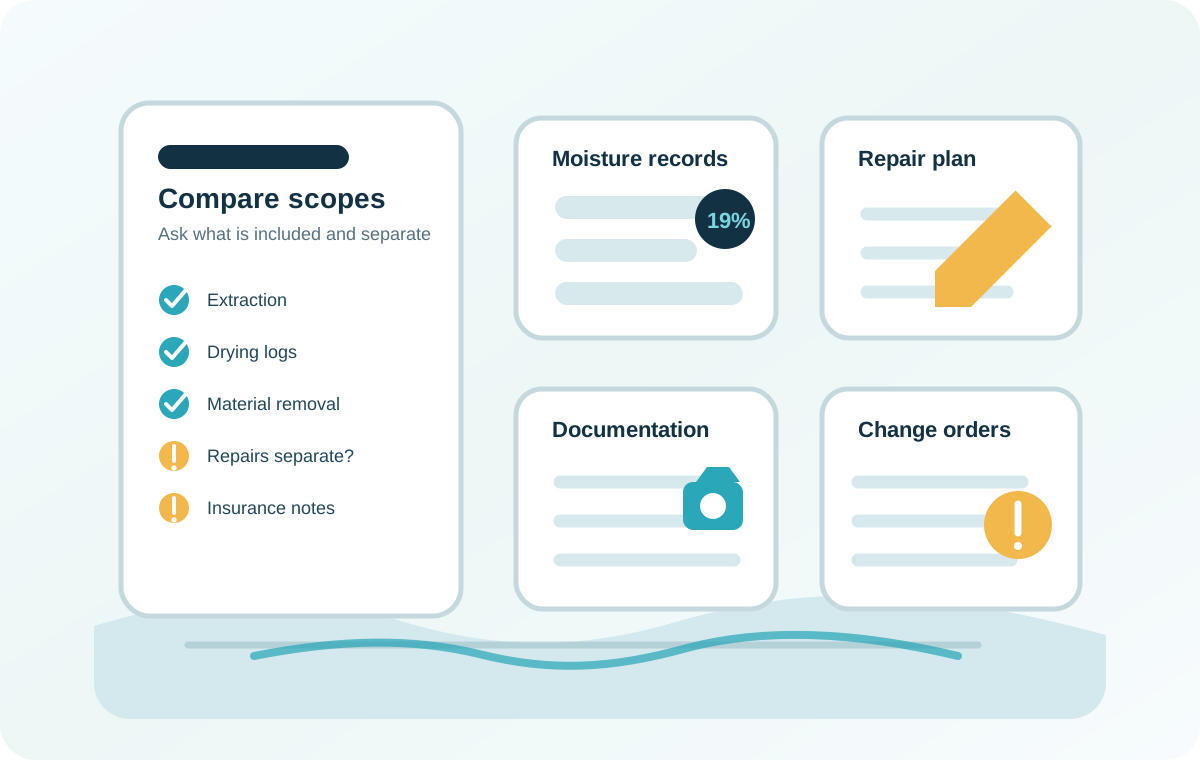
Ask clear questions before signing a work authorization, mitigation scope, drying scope, demolition approval, repair estimate, or reconstruction contract.
| Question | Why to ask |
|---|---|
| What caused the water damage? | The source affects safety, water category, repair needs, drying access, and claim review. |
| What water category is involved? | Clean water, gray water, sewage, floodwater, and unknown water can change PPE, cleaning, disposal, and drying decisions. |
| Has the source been stopped? | Drying and repairs can fail if the leak or moisture source continues. |
| What is mitigation and what is restoration? | Ask the provider to separate extraction, drying, cleaning, removal, repair, reconstruction, and documentation. |
| What services are included? | The written scope should list the work being authorized and the areas included. |
| What services are separate? | Source repair, contents, mold-related work, reconstruction, permits, or upgrades may be separate. |
| What materials can dry in place? | Drying decisions should depend on water category, material type, access, and moisture readings. |
| What materials may need removal? | Removal may be needed for saturated, contaminated, damaged, hidden, or mold-concern materials. |
| Are mold-related services separate? | Mold assessment or remediation may require a separate scope, authorization, or provider. |
| Are repairs and reconstruction separate? | Some providers separate mitigation from drywall, flooring, cabinets, paint, and finish repairs. |
| Will moisture readings be documented? | Readings and drying logs help show what was wet and how drying progress was monitored. |
| What is excluded? | Exclusions help avoid confusion about source repair, contents, upgrades, mold, permits, or rebuild work. |
| What documentation goes to insurance? | Ask for photos, readings, drying logs, estimates, invoices, receipts, and signed scopes. |
These references are included for general homeowner education about cleanup safety, moisture, drying, mold cautions, flood recovery, documentation, and restoration context. They are not advertisements, contractor recommendations, legal advice, insurance advice, or guarantees.
Start with the Water Mitigation Hub homepage, water damage restoration, water damage cleanup, water extraction services, emergency water removal, emergency water mitigation, water mitigation process, water mitigation cost, water mitigation company, contractor checklist, insurance checklist, flooded basement cleanup, burst pipe water damage, appliance overflow water damage, sewage backup cleanup, drywall water damage, mold after water damage, wet insulation water damage, carpet water damage, hardwood floor water damage, and sitemap.