Emergency cost guide
Emergency Water Mitigation Cost: What Affects Price
Emergency mitigation pricing can depend on safety, source control, water category, extraction, drying equipment, demolition, documentation, and how long materials stayed wet.
Emergency water mitigation cost depends on the scope
Emergency water mitigation cost can vary because urgent work may involve safety checks, water extraction, structural drying, moisture monitoring, controlled demolition, disposal, cleaning, and documentation. The actual price depends on inspection findings from qualified professionals, the water source, the category of water, affected materials, equipment days, and local pricing. Water Mitigation Hub cannot quote or dispatch emergency mitigation. This guide explains cost factors and records to request so homeowners can read an invoice with more context.
What this page is and is not
Informational resource only
Main factors that affect emergency water mitigation cost
A low or high invoice usually comes from the scope of work, not the page title on an estimate. Ask for enough detail to connect the work to the actual water damage, safety concerns, equipment, and documentation.
| Factor | Why it matters | What to ask | Documentation to save |
|---|---|---|---|
| Water source | A burst pipe, appliance overflow, roof leak, sewage backup, floodwater, or unknown source can change safety steps and scope. | What caused the water and has the source been stopped? | Source photos, repair notes, and timeline. |
| Water category | Clean water, gray water, sewage, floodwater, and unknown water usually require different precautions, disposal, and cleaning. | What water category is documented and why? | Category notes, photos, and affected-material records. |
| Affected square footage | Larger areas usually need more extraction, more equipment, more monitoring, and more documentation. | Which rooms and materials are included? | Room list, measurements, and moisture map. |
| Depth of standing water | More standing water can require pumping, extraction passes, contents handling, and additional drying setup. | How much water was removed and from where? | Extraction notes and water-depth photos. |
| Time water sat | Longer dwell time can increase saturation, contamination concerns, demolition decisions, and drying duration. | When was the water found and when did work begin? | Discovery timeline and monitoring notes. |
| Materials affected | Carpet, pad, drywall, cabinets, subfloor, insulation, hardwood, and trim dry or fail differently. | What can dry in place and what may need removal? | Material list, photos, and readings. |
| Equipment needed | Air movers, dehumidifiers, extraction tools, containment, and specialty equipment may be listed separately. | What equipment will be placed and where? | Equipment list and placement photos. |
| Equipment days | Equipment billed by duration should connect to drying progress and monitoring records. | How are equipment days tracked? | Drying logs and operating dates. |
| Demolition and disposal | Wet drywall, carpet pad, insulation, trim, or cabinets may require controlled removal and disposal. | Why is each item being removed? | Pre-removal photos, authorization, and disposal notes. |
| Access issues | Crawl spaces, attics, tight rooms, multi-story areas, and blocked access can affect labor and safety planning. | Are there access limits or unsafe areas? | Access notes, photos, and safety observations. |
| Sewage or contamination | Category 3 water can require PPE, containment, cleaning, removal, and careful disposal. | Is the water sewage, floodwater, or otherwise contaminated? | Category notes and disposal records. |
| Local labor and emergency timing | Night, weekend, storm demand, or priority scheduling from actual providers may affect provider pricing. | Are there emergency timing or labor charges? | Written scope and itemized invoice. |
| Documentation needs | Photos, readings, logs, invoices, change orders, and claim notes take time and should be organized. | What documentation package will I receive? | Photos, logs, invoices, receipts, and communication. |
Why emergency timing may affect cost
Emergency timing can affect provider pricing, but it does not create a set price. Water Mitigation Hub does not provide emergency service, dispatch crews, or quote after-hours fees. Ask actual providers for written terms and itemized records.
| Timing factor | How it may affect scope | What to ask |
|---|---|---|
| After-hours scheduling from actual providers | Night, weekend, holiday, or storm-event scheduling may affect the provider's pricing structure. | Ask whether the written scope includes emergency timing charges. |
| Faster mobilization | Rapid response can involve priority scheduling, travel, setup time, and coordination while the loss is still active. | Ask what mobilization or minimum charges apply. |
| Safety risk | Electricity, sewage, floodwater, sagging ceilings, unstable floors, and unknown water can change precautions. | Ask what safety concerns were found and documented. |
| More equipment | Active wet materials may need extraction, air movers, dehumidifiers, containment, or monitoring sooner. | Ask why each equipment type and count is needed. |
| Longer monitoring | Wet assemblies may need multiple visits and readings before drying is complete. | Ask how monitoring visits and equipment days are recorded. |
| Larger damage if water sat longer | Water that remains in materials can spread into walls, flooring, cabinets, insulation, or rooms below. | Ask whether dwell time changed the scope. |
What a company/professional may check
A qualified company or professional may check the source, category, affected materials, safety issues, equipment needs, and documentation. Water Mitigation Hub does not perform these checks, arrange services, inspect homes, prepare scopes, or send providers.
Use the contractor checklist and water mitigation process guide to understand the questions behind a written scope.
| Check | What it clarifies | Record to request |
|---|---|---|
| Water source | Where the water started and whether source repair is separate. | Source notes, photos, and repair record. |
| Water category | Whether the water is clean, gray, sewage, floodwater, or unknown. | Category notes and affected-material decisions. |
| Affected rooms | Visible and hidden boundaries of the loss. | Room list, photos, and moisture map. |
| Moisture readings | Whether wet materials extend beyond what is visible. | Initial, progress, and final readings. |
| Flooring | Whether flooring, subfloor, or edges are wet. | Readings, extraction notes, and material decisions. |
| Drywall and carpet pad | Whether absorbent materials can dry or may need removal. | Photos, readings, and removal notes. |
| Insulation and cabinets | Whether hidden absorbent materials or cabinet cavities are wet. | Cavity photos, toe-kick notes, and readings. |
| Ceiling cavities, crawl space, and attic | Whether water traveled above, below, or into concealed areas. | Safe access notes, photos, and moisture records. |
| Drying equipment | What equipment is used, where it is placed, and how long it operates. | Equipment list, placement notes, and operating dates. |
| Material removal decisions | Why controlled demolition or disposal may be needed. | Pre-removal photos, authorization, and disposal notes. |
| Safety concerns | Electrical, contamination, structural, or mold-related concerns that affect the work area. | Written safety notes and qualified recommendations. |
| Documentation package | Whether the event, work, and invoice are supported by records. | Photos, logs, invoices, estimates, and communication. |
Emergency mitigation invoice checklist
This checklist is the main record set to request when reviewing an emergency mitigation invoice. It can also help keep mitigation separate from later repair or restoration paperwork.
What may be included in an emergency mitigation invoice
Line items vary by provider and by loss. A complete invoice should explain what work was performed, why it was needed, where equipment was placed, and how long drying or monitoring continued.
| Line item | What it may include | Record to save |
|---|---|---|
| Extraction | Removing water from flooring, carpet, hard surfaces, or other affected areas. | Amount removed, rooms affected, equipment used. |
| Pumping or standing water removal | Pumps, wet vacuums, or extraction tools when water is pooled. | Water-depth photos and extraction notes. |
| Air movers | Airflow equipment used to move moisture out of materials. | Count, placement, and operating days. |
| Dehumidifiers | Equipment used to remove moisture from air during drying. | Type, count, placement, and operating days. |
| Moisture monitoring | Visits and readings that show drying progress. | Initial, progress, and final readings. |
| Controlled demolition | Limited removal of wet materials to support drying or safety. | Photos before removal and demolition notes. |
| Disposal | Bagging, hauling, and disposal of removed wet materials. | Removed-material list and disposal notes. |
| Containment when appropriate | Separating affected areas when contamination or drying control may require it. | Scope notes and photos. |
| Cleaning or antimicrobial treatment when appropriate | Cleaning steps tied to water category and affected materials. | Product notes and reason for use. |
| Documentation | Photos, logs, readings, invoice detail, and communication records. | Complete documentation package. |
| Emergency scheduling from actual providers | Timing or mobilization charges that may appear on a provider invoice. | Written terms and itemized invoice. |
What is usually separate from emergency mitigation
Emergency mitigation often limits additional damage and starts drying. Source repair, restoration, contents, mold-related work, and living expenses may be separate scopes or separate insurance questions.
| Separate item | Why it may be separate | Record to save |
|---|---|---|
| Plumbing repair | Fixing the pipe, valve, toilet, supply line, or drain that caused the loss. | A plumber invoice or repair note. |
| Roof repair | Repairing shingles, flashing, roof decking, or roof penetrations. | Roofer findings and photos. |
| Appliance repair | Fixing a washer, dishwasher, refrigerator line, water heater, or ice maker issue. | Appliance repair invoice or model details. |
| Full rebuild | Replacing drywall, flooring, trim, cabinets, paint, or finishes after drying. | Restoration estimate and material list. |
| Flooring replacement | Replacing carpet, pad, hardwood, laminate, tile, or underlayment. | Measurements and material selections. |
| Cabinet replacement | Replacing swollen or damaged cabinets after mitigation. | Cabinet photos, measurements, and repair estimate. |
| Painting | Finish work after drywall or material repair. | Repair scope and paint details. |
| Contents replacement | Damaged furniture, belongings, or stored items. | Contents inventory and photos. |
| Mold remediation when separate | Specialized mold-related work may be its own scope. | Qualified evaluation and written scope. |
| Hotel or living expenses | Additional living expenses may be reviewed separately under policy terms. | Receipts and insurer instructions. |
| Insurance deductible | The deductible is part of the claim calculation, not a mitigation service line item. | Policy declarations and claim notes. |
Questions to ask before authorizing work
In a true emergency, safety and stopping active water may come first. When paperwork is presented, ask clear questions before approving broad or unclear terms.
| Question | Why it matters |
|---|---|
| What is included? | Prevents confusion between extraction, drying, demolition, and documentation. |
| What is excluded? | Clarifies source repair, restoration, contents, mold work, and living expenses. |
| What water category is involved? | Category affects safety steps, PPE, cleaning, and disposal. |
| What equipment will be used? | Equipment count and placement should connect to wet materials. |
| How are equipment days tracked? | Operating dates should be documented, not guessed later. |
| What demolition may be needed? | Ask why materials may be opened or removed before approving work. |
| How are change orders approved? | Newly found damage should be documented before added work proceeds. |
| Will moisture readings and drying logs be provided? | Readings and logs help explain equipment duration and drying progress. |
| How will I receive the invoice and documentation? | A complete file should include photos, readings, logs, line items, and communication. |
Insurance documentation notes
Insurance coverage depends on policy terms, cause of loss, exclusions, deductible, endorsements, limits, timing, documentation, and insurer review. No page can promise coverage or claim approval. Ask your insurer how to submit emergency mitigation records, whether photos are needed before material removal, and how invoices should be organized.
For a broader documentation plan, use how to document water damage and the insurance checklist.
Before authorizing work
During drying
Final invoice review
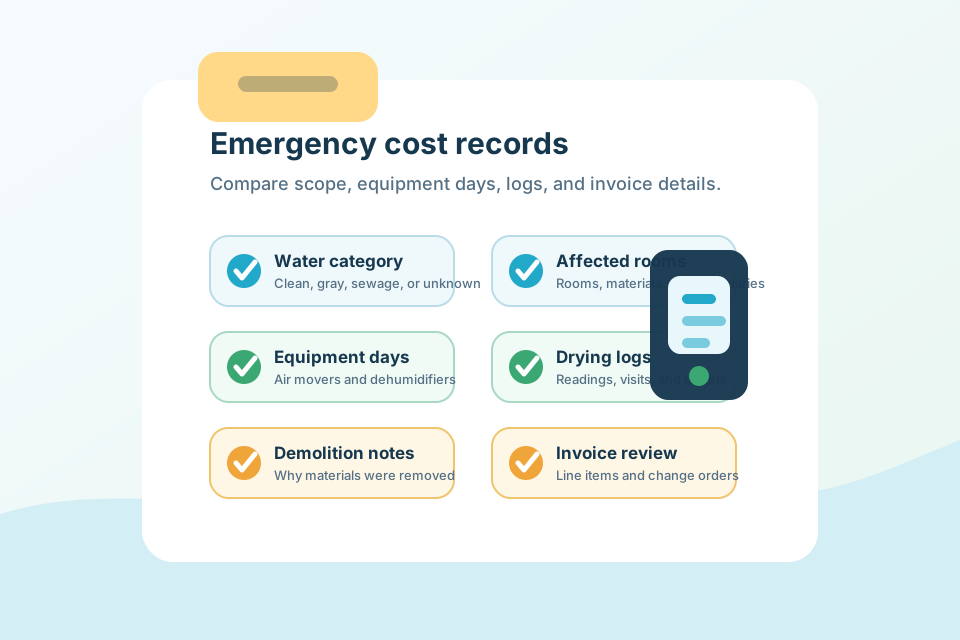
Common cost mistakes to avoid
Most invoice confusion comes from missing records, unclear scopes, or mixing mitigation with source repair and restoration. The goal is not to argue from assumptions. It is to organize facts.
| Mistake | Why it creates risk | Better step |
|---|---|---|
| Waiting when active water is safe to stop | A safe shutoff or source repair can limit additional damage. | Stop the known source only when it is safe and reachable. |
| Entering unsafe water | Electricity, sewage, floodwater, unstable flooring, or sagging ceilings can be dangerous. | Keep people away and seek qualified help. |
| Assuming all emergency work is covered | Coverage depends on policy terms, cause of loss, exclusions, deductible, documentation, and insurer review. | Ask the insurer what records are needed. |
| Not asking what is included | A single total can hide extraction, drying, demolition, monitoring, or separate repair work. | Request an itemized written scope. |
| Not asking for equipment days | Equipment duration can be a meaningful cost driver. | Ask for operating dates and drying logs. |
| Not asking for drying logs | Logs help explain why drying continued or ended. | Save initial, progress, and final readings. |
| Signing unclear authorization forms | Open-ended terms can create confusion about work, payment, or change orders. | Read exclusions and ask questions before signing. |
| Mixing mitigation and restoration invoices | Drying charges and repair charges may be reviewed differently. | Keep mitigation, source repair, and restoration records separated. |
| Not saving receipts | Temporary supplies, source repair, and cleanup receipts can clarify the file. | Keep digital and paper copies. |
| Ignoring contamination concerns | Sewage, floodwater, and unknown water may require additional precautions. | Avoid DIY exposure and ask how category was determined. |
Scenario table
The same room can create different cost drivers depending on water source, category, affected materials, safety concerns, and what needs to be documented.
| Situation | Cost driver | Record to ask for | Safety note | Insurance question |
|---|---|---|---|---|
| Burst pipe | Water volume, affected rooms, wall cavities, and source repair timing. | Moisture readings, extraction notes, and plumber repair note. | Avoid wet outlets, ceilings, and breaker panels. | Is pipe repair separate from mitigation? |
| Appliance overflow | Water path under cabinets, flooring, toe kicks, and rooms below. | Appliance model, source photos, and affected-material list. | Shut off water only when safe and reachable. | Are appliance repair and water mitigation separated? |
| Flooded basement | Standing water depth, square footage, contaminated water, and drying duration. | Water-depth photos, extraction notes, and equipment days. | Do not enter if electricity, sewage, or structural risk is present. | Does floodwater require a separate policy or review process? |
| Sewage backup | Category 3 precautions, removal, containment, cleaning, and disposal. | Water category notes, disposal records, and photos. | Avoid contact with sewage and keep children and pets away. | Are sewer backup terms or endorsements involved? |
| Ceiling leak | Wet ceiling drywall, insulation, sagging, and room below. | Ceiling photos, source notes, and readings. | Do not stand under sagging drywall or wet fixtures. | Is roof, plumbing, or HVAC repair separate? |
| Wet carpet | Carpet pad, water category, extraction, and drying time. | Extraction notes, pad decision, and drying logs. | Do not use household fans on contaminated water. | Is carpet replacement separate from mitigation? |
| Wet drywall | Wall cavity moisture, baseboards, insulation, and controlled openings. | Wall photos, readings, and demolition notes. | Do not cut walls without knowing what is behind them. | What supports removal or drying in place? |
| Crawl space water | Access difficulty, standing water, insulation, joists, and contamination. | Safe access notes, photos, and equipment records. | Do not enter a confined, wet, or contaminated crawl space. | Are drainage, plumbing, or structural repairs separate? |
Helpful references
These references are included for general homeowner safety, cleanup, contractor, and documentation context. They are not advertisements or coverage promises.
Related guides
Emergency cost questions often overlap with mitigation, water extraction, cleanup, documentation, and restoration. Start with the water mitigation cost guide, then compare emergency steps, invoices, and claim records.
Keep reading
- Water mitigation cost
- Emergency water mitigation
- what affects emergency mitigation charges
- Emergency water removal
- Water extraction services
- Water mitigation process
- Drying logs and moisture readings
- mitigation report checklist
- Water mitigation vs remediation
- Water damage cleanup
- Mitigation claim records
- Homeowners insurance and mitigation
- Cleanup coverage questions
- How to document water damage
- Insurance checklist
- Contractor checklist
- Water damage restoration
- Flooded basement cleanup
- Burst pipe water damage
- Appliance overflow water damage
- Sewage backup cleanup
- Ceiling water damage
- Carpet water damage
- Drywall water damage
- Mold after water damage
- Sitemap
Frequently asked questions
- Emergency water mitigation cost may be affected by the source of water, water category, affected square footage, standing water amount, dwell time, wet materials, equipment type, equipment days, demolition, disposal, access, contamination, emergency timing from actual providers, and documentation needs. A qualified provider's inspection findings determine the actual scope.
- It can be, but not always. Night, weekend, holiday, storm-event demand, priority scheduling, safety concerns, and rapid mobilization may affect provider pricing. The total still depends on the water category, affected materials, equipment days, demolition needs, and how quickly water is controlled.
- An emergency mitigation invoice should usually explain the source notes, affected rooms, water category, extraction work, equipment list, equipment days, moisture readings, drying logs, demolition notes, disposal notes, cleaning notes when appropriate, monitoring visits, photos, line items, change orders, claim number, and communication records.
- Equipment days can matter because air movers, dehumidifiers, and related drying equipment may be billed by type, quantity, and duration. Ask for operating dates, placement notes, moisture readings, and drying logs so the equipment duration is tied to documented drying progress.
- Sometimes. Water extraction, pumping, drying equipment, moisture monitoring, demolition, disposal, cleaning, and documentation may appear as separate line items or bundled phases. Ask for a written scope that explains what is extraction, what is drying, and what is separate from mitigation.
- Usually restoration is separate from emergency mitigation. Mitigation focuses on limiting damage, removing water, drying materials, monitoring moisture, and limited demolition when needed. Restoration can include drywall, flooring, cabinets, paint, trim, and other repair or rebuild work after drying.
- Coverage is not guaranteed. It depends on the policy, cause of loss, exclusions, deductible, endorsements, limits, timing, mitigation scope, documentation, and insurer review. Ask your insurer how to submit emergency mitigation records and what documents they need.
- Save photos, videos, source notes, discovery date and time, affected-room records, water category notes, moisture readings, drying logs, equipment list, equipment days, demolition and disposal notes, invoices, change orders, receipts, claim number, and communication with names and dates.
- Ask what is included, what is excluded, what water category is involved, what equipment will be used, how equipment days are tracked, what demolition may be needed, how change orders are approved, whether drying logs will be provided, and how you will receive invoice records.
- No. Water Mitigation Hub is an independent informational homeowner resource. It does not provide emergency water mitigation, water extraction, cleanup, drying, mold remediation, restoration, inspection, repairs, estimates, quotes, dispatch, contractor matching, claim approval, or insurance guarantees.