Kitchen water damage guide
Kitchen Water Damage: What to Do First
Kitchen water damage needs fast source control, safe cleanup, photos before major changes, and hidden moisture checks under cabinets, toe kicks, baseboards, flooring, subfloor, drywall, and the ceiling below.
Updated July 28, 2026

Trust notice
Quick answer
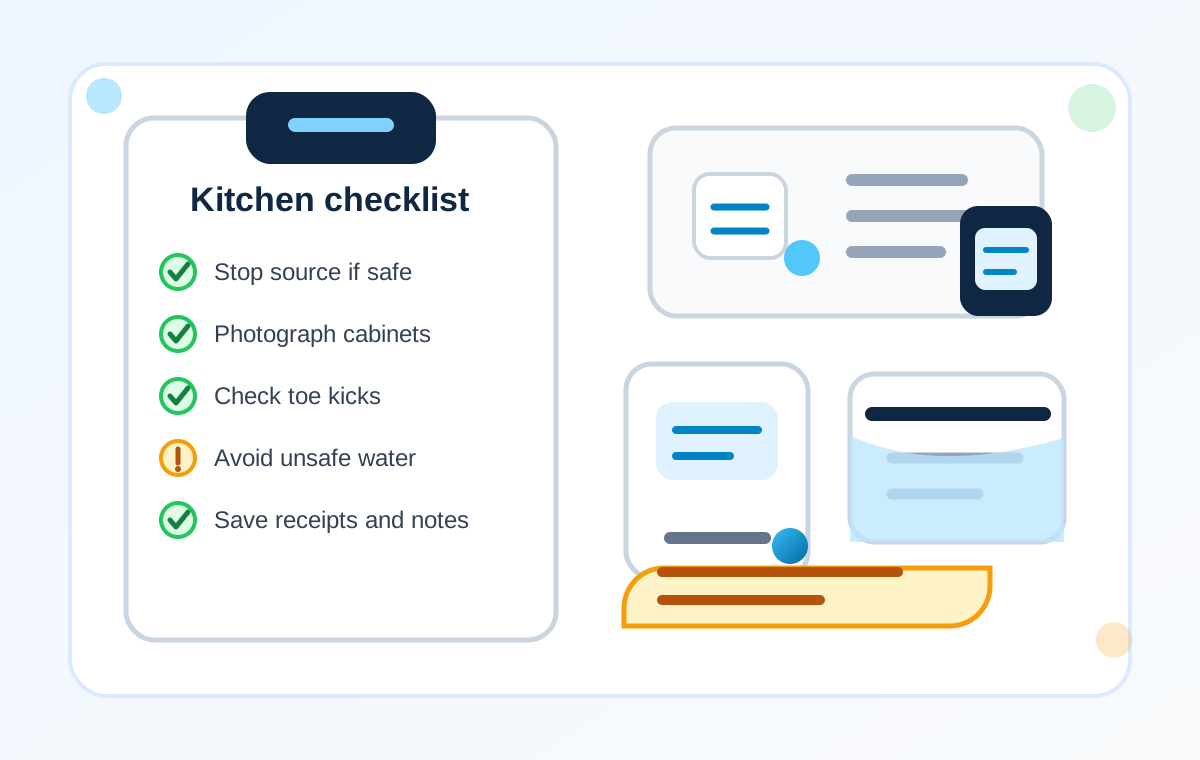
Kitchen water damage requires safe source control, photographs before major changes, and checks beneath appliances, cabinets, toe kicks, baseboards, flooring, subfloor, drywall, and the room below. Avoid wet outlets, cords, disposal wiring, appliances, and contaminated drain water. Stop the source only when safely accessible, do not move or test a wet appliance, and arrange qualified evaluation when water entered fixed materials, cavities, multiple rooms, or another level.
Key points
- Stop the source if safe.
- Avoid electricity and contaminated water.
- Photograph the kitchen, water source, cabinets, flooring, baseboards, and nearby rooms.
- Shut off appliance or fixture valves only when safely reachable.
- Do not assume cabinets or tile are dry because the surface looks dry.
- Check toe kicks, baseboards, wall edges, and the room below.
- Watch for odor, swelling, soft flooring, loose tile, staining, and cabinet delamination.
- Insurance may review documentation, but coverage is not guaranteed.
When Not to Enter or Use the Kitchen
Do not touch, move, unplug, restart, test, or operate wet appliances or electrical equipment. Do not cross standing water to reach a plug, outlet, breaker, control, valve, or appliance. Contact emergency services, the utility provider, electrician, plumber, appliance technician, or qualified help as appropriate.
| Condition | Why it may be unsafe | Safer next step |
|---|---|---|
| Standing water near outlets or electrical equipment | Shock or electrical exposure may be possible | Stay out and seek qualified emergency help where appropriate |
| Water touching a dishwasher, refrigerator, disposal, cord, plug, or control | Appliance and electrical exposure may be present | Stop using it and do not touch, move, unplug, restart, test, or operate it |
| Sparks, smoke, burning odor, or an unusual electrical sound | An electrical hazard may be developing | Keep away and contact emergency services, the utility, or an electrician as appropriate |
| Water blocks access to a shutoff or an appliance must be moved | Crossing water or moving a heavy appliance can add risk | Do not reach behind or move the appliance; seek qualified help |
| Water near an electrical panel or through a ceiling light below | Wet electrical equipment and ceiling materials can be unsafe | Avoid the area and contact qualified help |
| Sagging ceiling, bulging ceiling, or soft floor | Ceiling or floor materials may be weakened | Keep people out of the area and document from a safe location |
| Dishwasher, sink-drain, disposal, sewer, or unknown water | Contamination may be present | Avoid contact and seek qualified guidance before cleanup |
| Strong gas, fuel, chemical, or sewer odor | A utility or contamination concern may exist | Leave the area and contact the appropriate emergency, utility, or qualified professional |
| Water rapidly spreading into several rooms | Hidden assemblies and more than one level may be affected | Restrict access, document safely, and seek qualified help |
What to Do First After Kitchen Water Damage
Start with safety and documentation before the room changes. Skip any step that requires standing in unsafe water, touching wet electrical items, or moving a heavy appliance through standing water.
Common Kitchen Water Damage Sources
The source affects safety, contamination, drying access, repair trade, and documentation. A clean supply line leak is different from dishwasher discharge, sink-drain water, disposal residue, or an unknown leak that may have been present for days. Do not diagnose the exact failure from one visual clue or attempt appliance or plumbing repair steps.
| Possible source | Common clue | Hidden moisture concern | Who may need to evaluate it |
|---|---|---|---|
| Faucet or faucet-base leak | Drips around the fixture | Sink base, wall, toe kick, and floor seam | Plumber |
| Sink supply-line leak | Sudden water under the sink | Cabinet box, floor, wall, and adjacent room | Plumber |
| Sink drain or trap leak | Water appears when the sink drains | Cabinet base, wall cavity, and drain-water residue | Plumber |
| Garbage disposal or connection leak | Drip, odor, or water when the sink runs | Disposal area, drain fitting, cabinet base, and wiring area | Plumber or appliance professional |
| Dishwasher supply-line leak | Water near the dishwasher | Cabinets, floor seams, subfloor, and room below | Plumber or appliance technician |
| Dishwasher drain-line, door, seal, pump, or overflow issue | Leak during or after use | Dishwasher cavity, adjacent cabinets, and possible discharge water | Appliance technician or plumber |
| Refrigerator supply-line or ice-maker connection leak | Water behind the refrigerator or cupped floor | Wall, floor, subfloor, and nearby cabinet | Appliance technician or plumber |
| Refrigerator drain or defrost issue | Water near the appliance without a visible supply leak | Flooring, cabinet sides, and wall edge | Appliance technician |
| Water-filter or reverse-osmosis leak | Water in the sink base or nearby cabinet | Cabinet base, toe kick, wall, and floor edge | Qualified plumbing professional |
| Plumbing leak inside a wall | Recurring stain, odor, or soft drywall | Wall cavity, insulation, baseboard, and adjoining room | Plumber and moisture evaluation |
| Adjacent-room appliance or plumbing source | Water enters the kitchen from another area | Shared wall, floor path, and ceiling below | Relevant source professional |
| Upstairs kitchen leak | Ceiling stain or drip below | Ceiling drywall, insulation, framing, and fixtures | Qualified help |
| Floor-drain or sewer backup where present | Odor, residue, or visibly contaminated water | Porous materials, cabinets, floor, and HVAC paths | Qualified contamination cleanup help |
| Unknown kitchen-area leak | Wet floor, swelling, odor, or stain with no clear source | Cabinets, flooring, walls, subfloor, and room below | Qualified professional |
Supply Water vs Drain and Appliance Water
Supply-line water may begin relatively clean, then become less clean after touching flooring, cabinet dust, food residue, garbage-disposal residue, drain material, building materials, or after sitting. Visual appearance alone may not establish contamination. Unknown water should be approached cautiously.
| Water source | Possible contamination concern | Homeowner caution | When qualified help may be needed |
|---|---|---|---|
| Faucet or sink supply line | May begin relatively clean | It can become less clean after contact with materials | When water spread, timing, or hidden moisture is uncertain |
| Dishwasher or refrigerator supply line | May begin relatively clean | Do not touch or test a wet appliance | When appliance, electrical, or fixed-material exposure exists |
| Water-filter line | May begin relatively clean | Document the water path and avoid unsafe access | When water entered cabinets, flooring, or a wall |
| Sink drain water | Food residue, grease, and drain material may be present | Stop using the fixture and avoid contact | When porous materials are wet |
| Garbage disposal discharge | Food debris and drain residue may be present | Do not operate the disposal | When water reached cabinets or flooring |
| Dishwasher discharge | Detergent, grease, food debris, or other contamination may be present | Treat it cautiously and stop appliance use | When materials are porous or the source is unclear |
| Water mixed with cleaning products | Chemical exposure may be present | Avoid mixing chemicals or attempting improvised treatment | When chemical identity or exposure is uncertain |
| Floor-drain or sewer backup | Sewage contamination may be present | Restrict access and avoid contact | Promptly |
| Water present for an extended period or an unknown source | Condition may worsen with time | Visual appearance alone does not establish contamination | Professional evaluation may be needed |
Food, Pantry, and Food-Contact Precautions
Keep food away from active leaks and contaminated water. Do not consume food or beverages directly contacted by wastewater, floodwater, chemicals, or unknown water. Inspect pantry shelves and cabinet bases for moisture, separate unaffected sealed items when safe, and photograph damaged stored food and contents before disposal when safe and useful. Avoid using food-contact surfaces until their condition has been evaluated and appropriate cleaning is complete. Refrigerator or freezer safety may depend on power loss, appliance condition, temperature history, and authoritative food-safety guidance.
Where Kitchen Water May Hide
Kitchen water can travel below fixed cabinets and appliances before the visible floor looks wet. It can wick into baseboards, move under tile or vinyl edges, soak cabinet toe kicks, and reach a ceiling below an upstairs kitchen. A dry visible surface does not confirm that cabinet bases, toe kicks, flooring assemblies, subfloor, wall cavities, insulation, or the ceiling below are dry. Review moisture readings after kitchen water damage, drying kitchen cabinets flooring and subfloor, drying logs, and the water mitigation report guide.
Places kitchen water can hide
- under sink cabinets and cabinet backs
- toe kicks and cabinet bases
- behind dishwashers and refrigerators
- under tile, vinyl, laminate, hardwood, or engineered flooring
- subfloor below finished flooring and cabinets
- baseboards and trim
- drywall behind appliances and cabinets
- wall cavities behind supply and drain lines
- insulation inside wet wall or ceiling cavities
- ceiling drywall, fixtures, and contents in the room below
- adjacent rooms through shared walls or flooring edges
- pantry contents, stored items, and cardboard packaging
- plumbing penetrations, appliance connections, and disposal wiring
- an intermittent dishwasher, ice maker, supply, or drain leak
- surfaces that look dry while material below or behind remains wet
Kitchen Cabinets and Toe Kicks
Solid wood, plywood, particleboard, MDF, laminated components, cabinet boxes, face frames, shelves, cabinet bases, and toe kicks respond differently to water. Some materials may dry when clean water is caught quickly and hidden areas can be monitored. Swelling, delamination, odor, staining, trapped water, inaccessible wall or floor cavities, contamination, drying access, hardware corrosion, and countertop support concerns may require temporary access, controlled removal, or cabinet or restoration evaluation. Results depend on construction, contamination, saturation, time wet, and whether hidden areas can be monitored.
Kitchen Materials After Water Damage
Some kitchen materials may dry when clean water is caught quickly, the source is stopped, and moisture readings confirm that trapped areas are drying. Removal may be needed for soaked drywall, swollen baseboards, wet toe kicks, cabinet delamination, contaminated materials, wet insulation, wet subfloor, loose flooring, or mold concerns.
| Material | Common concern | What may be checked | Possible next step |
|---|---|---|---|
| Ceramic or porcelain tile | Water may move through cracks, grout, edges, or transitions | Grout, seams, subfloor, and adjacent baseboards | May dry or require access depending on hidden moisture |
| Vinyl or laminate flooring | Seams can admit water and laminate can swell | Edges, underlayment, and subfloor | May dry or require controlled removal |
| Hardwood or engineered wood | Cupping, swelling, staining, or trapped moisture | Seams, underside, and subfloor | Material condition varies with saturation and time wet |
| Subfloor | Moisture can remain below finished flooring | Readings from accessible locations and nearby materials | May require access or specialist evaluation |
| Carpet and padding in adjoining areas | Water may spread beyond the kitchen finish | Pad, tack strips, subfloor, and wall edges | Contamination and time wet affect decisions |
| Baseboards and drywall | Wicking, softness, staining, or hidden cavity moisture | Trim, drywall, insulation, and studs | May dry or require removal when wet, contaminated, or inaccessible |
| Insulation | It can hold moisture inside a wall or ceiling | Cavity condition and drying access | May require controlled access or removal |
| Solid-wood or plywood cabinets | Staining, odor, trapped water, or hardware corrosion | Bases, backs, shelves, and wall or floor cavities | May dry if conditions can be monitored |
| Particleboard, MDF, laminated components, and toe kicks | Swelling, delamination, and loss of strength | Cabinet bases, face frames, and hidden floor edges | May require cabinet or restoration evaluation |
| Countertop support and pantry shelving | Swelling or weakened support may be hidden | Cabinet structure and stored contents | Do not assume surface dryness proves safe condition |
| Ceiling drywall and insulation below | Drips, sagging, staining, or wet fixtures | Ceiling cavity, framing, insulation, and room below | Keep away if sagging or near electrical fixtures |
| Stored food, kitchen contents, and appliances | Water or contamination exposure may affect use | Food storage, food-contact surfaces, appliance condition | Follow authoritative guidance or qualified evaluation when uncertain |
Kitchen Above Another Room
An upstairs kitchen leak can affect ceiling drywall, insulation, framing and joists, subfloor beneath the kitchen, wall cavities, flooring, and contents below. Do not stand below a sagging, bulging, or actively dripping ceiling. Do not touch wet lights, fans, switches, fixtures, or electrical boxes. See ceiling water damage below an upstairs kitchen, wet insulation below an upstairs kitchen, and kitchen drywall water damage.
What a Company or Professional May Check
Water Mitigation Hub does not inspect kitchens, test plumbing or appliances, classify water onsite, measure moisture, extract water, remove cabinets or flooring, dry structures, clean contaminated water, or perform restoration. A qualified professional may evaluate the following items. Use a written scope and the contractor checklist to keep questions organized.
Kitchen Cleanup and Drying Process
- 1Safety review and source control
- 2Water source and water category assessment
- 3Photography and documentation
- 4Water extraction or removal where appropriate
- 5Moisture inspection of cabinets, toe kicks, flooring, walls, ceilings, and the room below
- 6Drying plan with air movement, dehumidification, or other appropriate methods
- 7Removal decisions for materials that cannot dry safely or remain contaminated
- 8Moisture monitoring and drying logs
- 9Reassessment for hidden moisture
- 10Repair planning after conditions are evaluated
- 11Final documentation and invoices
- 12Insurance follow-up when applicable
A kitchen cleanup and drying sequence may involve restricting access, stopping use of the fixture or appliance, identifying and controlling the source, documenting initial conditions, evaluating water concerns, removing standing water when safe and appropriate, inspecting cabinets and the room below, recording baseline readings, deciding what may dry or require controlled access, monitoring drying equipment, and documenting follow-up readings before source repair and restoration. The sequence varies with safety, source, contamination, appliances, materials, access, and professional findings.
Plumber, Appliance Technician, Mitigation, and Restoration Roles
| Professional or work type | Main role | Examples | Important question |
|---|---|---|---|
| Plumber | Source plumbing | Supply, drain, trap, disposal, or fixture plumbing | What source finding and repair record will be provided? |
| Appliance technician | Appliance diagnosis | Dishwasher, refrigerator, ice maker, or water filter | Should the appliance remain unused until evaluated? |
| Electrician or utility provider | Electrical or gas exposure | Wet wiring, unusual sound, smoke, burning odor, or gas concern | What access is safe? |
| Water mitigation or extraction company | Water spread, moisture, drying, and documentation | Extraction, readings, drying plan, and controlled access | What is mitigation and what is excluded? |
| Cabinet, flooring, or restoration professional | Repairs after drying | Cabinets, flooring, drywall, trim, paint, and finishes | What work waits until moisture is evaluated? |
| Insurance adjuster | Claim review | Policy-specific documents, scope, and communication | What records and timing does the insurer request? |
DIY Activity vs Qualified Help
| Decision factor | Limited homeowner activity may be reasonable when | Qualified help is safer when |
|---|---|---|
| Electrical, gas, appliance movement, or standing water | Keeping away and documenting from a safe location | Any wet electrical equipment, gas concern, or need to move an appliance |
| Known source safely accessible without crossing water | Stopping it only when safe and stopping use of the fixture or appliance | Hidden, uncertain, or inaccessible source |
| Very small amount of clean water | Limited removal only when no electrical, appliance, structural, or contamination concern exists | Drain, discharge, sewage, unknown water, or spread into fixed materials |
| Food, contents, and records | Moving unaffected items when safe and taking photos | Contamination, uncertain food condition, or significant documentation needs |
| Cabinets, flooring, walls, and ceilings | Observing visible signs without opening or removing materials | Wet toe kicks, subfloor, cavities, insulation, sagging ceiling, or multiple rooms |
Kitchen Water Damage Cost Factors
No guaranteed price applies to every kitchen water damage situation. Cost may depend on the source, water category, affected area, materials, drying time, source repair, local labor, demolition, and documentation needs. The water mitigation cost guide explains broader cost factors.
| Cost factor | Why it may matter | What to document |
|---|---|---|
| Water source | Sink, dishwasher, refrigerator line, disposal, drain, and supply line leaks spread differently. | Photos, written scope, readings, logs, or receipts as relevant |
| Water category | Clean water, gray water, contaminated water, and unknown water can change safety and scope. | Photos, written scope, readings, logs, or receipts as relevant |
| Affected area | One cabinet is different from flooring, adjacent rooms, or a ceiling below. | Photos, written scope, readings, logs, or receipts as relevant |
| Flooring type | Tile, vinyl, laminate, carpet, hardwood, and subfloor assemblies trap moisture differently. | Photos, written scope, readings, logs, or receipts as relevant |
| Cabinet and toe kick damage | Fixed cabinets can hide wet material and may require access. | Photos, written scope, readings, logs, or receipts as relevant |
| Drywall and baseboards | Wall materials can wick moisture beyond the visible water line. | Photos, written scope, readings, logs, or receipts as relevant |
| Subfloor involvement | Wet subfloor can extend drying time and affect repair decisions. | Photos, written scope, readings, logs, or receipts as relevant |
| Appliance or plumbing repair | Source repair is usually separate from water mitigation and drying. | Photos, written scope, readings, logs, or receipts as relevant |
| Room below affected | Upstairs kitchen leaks can involve ceiling drywall, insulation, and fixtures. | Photos, written scope, readings, logs, or receipts as relevant |
| Extraction and drying | Standing water, dehumidification, air movement, and monitoring can affect scope. | Photos, written scope, readings, logs, or receipts as relevant |
| Demolition and disposal | Contaminated or unsalvageable materials may need controlled removal. | Photos, written scope, readings, logs, or receipts as relevant |
| Restoration or replacement | Drywall, trim, flooring, cabinets, and paint may be part of a later repair scope. | Photos, written scope, readings, logs, or receipts as relevant |
| Insurance documentation | Photos, readings, drying logs, estimates, and invoices take time but may support review. | Photos, written scope, readings, logs, or receipts as relevant |
Insurance Documentation Checklist
Homeowners insurance may review sudden kitchen water damage differently from gradual leaks, maintenance issues, flood, sewer backup, or long-term seepage. Coverage depends on the policy, cause of loss, deductible, exclusions, endorsements, and insurer review. Use the insurance checklist to organize claim details.
Documentation may support insurer review, but it does not guarantee coverage, reimbursement, appliance replacement, cabinet replacement, or claim approval. Keep the kitchen water damage insurance records together with guidance for documenting a kitchen water damage claim, mitigation records after a kitchen leak, cleanup coverage questions, water mitigation coverage questions, how to photograph kitchen water damage safely, and kitchen water damage records for an adjuster.
Mistakes to Avoid
Preventing Repeat Kitchen Water Damage
After the confirmed source is repaired, follow manufacturer maintenance guidance for appliances, monitor sink and faucet supply connections, investigate drain or trap leaks and garbage-disposal leakage with qualified help, review dishwasher supply and drain connections, inspect refrigerator, ice-maker, water-filter, and reverse-osmosis connections, and investigate cabinet swelling or musty odor promptly. Appliance drain pans, water alarms, or shutoff devices may be appropriate for some homes. Inspect the room below after repeated leaks and retain source-repair and mitigation records. These measures cannot guarantee that a future leak will not occur.
When to Get Qualified Help
Qualified help may be needed when water is near outlets, cords, appliances, switches, disposal wiring, or electrical boxes; when sparks, smoke, burning odor, unusual sound, gas, or utility concerns exist; when an appliance must be moved; when dishwasher, drain, disposal, sewage, or unknown water is involved; when cabinets, flooring, drywall, insulation, another room, or the ceiling below are affected; or when the source is hidden, the leak may have gone unnoticed, moisture readings are needed, or detailed insurance records are required.
Questions to Ask Before Approving Work
Ask clear questions before signing a work authorization or approving demolition. The answers should explain what is included, what is excluded, what will be documented, and what belongs to plumbing, appliance repair, mitigation, or restoration.
| Question | Why it matters |
|---|---|
| What is the confirmed or suspected source, and has it been stopped? | Source control and water condition shape every later decision. |
| Should the affected fixture or appliance remain unused? | A wet appliance, disposal, or fixture should not be restarted or tested. |
| Is an appliance, electrical, gas, or utility concern involved? | A separate qualified trade may be needed. |
| Is supply water, drain water, dishwasher discharge, disposal residue, sewage, or unknown water involved? | Water condition affects safety and material handling. |
| Which rooms and materials are affected, including the room below? | Water can travel beyond visible kitchen flooring. |
| Are cabinet bases, toe kicks, flooring, subfloor, drywall, insulation, or pantry areas wet? | Fixed materials can hide moisture. |
| Will baseline and unaffected comparison readings be recorded? | Readings help document the moisture pattern and progress. |
| What may dry in place, what may require controlled access or removal, and why? | The decision should match material condition, contamination, access, and measurements. |
| What equipment may be used and how will equipment days, follow-up readings, and logs be tracked? | Written records make the scope easier to review. |
| What is included, excluded, and separated between plumbing, appliance repair, mitigation, cabinet work, flooring work, and restoration? | Different work scopes can have different approvals and invoices. |
| How are change orders approved and what records will be provided for insurance? | Homeowners should retain written copies. |
Helpful References
These references are used for general education about kitchen water damage, cleanup safety, moisture control, contamination, food safety, and claim preparation. They are not contractor recommendations, medical advice, legal advice, insurance advice, or guarantees of coverage.
Frequently Asked Questions
Kitchen water damage FAQ
- Keep people and pets away from unsafe or contaminated areas. Avoid wet outlets, cords, appliances, switches, and disposal wiring. Stop the source only when safely accessible, stop using the affected fixture or appliance, photograph the water path, and arrange qualified evaluation when water reached fixed materials, cavities, another room, or the room below.
- Do not touch, move, unplug, restart, test, or operate a wet appliance or electrical equipment. Do not cross standing water to reach a plug, outlet, breaker, control, valve, or appliance. Keep away and contact the appropriate appliance, plumbing, electrical, utility, or other qualified professional.
- Common sources include faucet, supply-line, drain, trap, disposal, dishwasher, refrigerator, ice-maker, water-filter, reverse-osmosis, wall-plumbing, and upstairs-kitchen leaks. A visual clue may not confirm the exact failure or full water path, so source confirmation may require the appropriate trade.
- Not necessarily. Supply-line water may begin relatively clean, but dishwasher discharge and sink-drain water can contain detergent, grease, food debris, drain material, or other contamination. Water condition can also worsen after contact with building materials or time in place. Treat unknown water cautiously.
- Yes. Water can move below cabinet bases, behind toe kicks, through wall openings, along flooring edges, and into the subfloor. A dry visible surface does not confirm that hidden cabinet, floor, wall, insulation, or ceiling materials are dry.
- Some solid wood or plywood components may dry when clean water is caught quickly and hidden areas can be monitored. Particleboard, MDF, laminated components, cabinet bases, and toe kicks may swell or delaminate. The next step depends on construction, contamination, saturation, time wet, and drying access.
- Yes. Water may enter seams, grout cracks, transitions, appliance gaps, and edges, then reach underlayment or subfloor. Loose tile, lifting vinyl, swollen laminate, cupped wood, or a damp edge can be useful documentation, but one sign does not confirm the full extent.
- From a safe location, document stains, active drips, bulging or sagging ceiling drywall, wet fixtures, wall staining, flooring, and contents. Do not stand below a sagging, bulging, or actively dripping ceiling, and do not touch wet lights, fans, switches, fixtures, or electrical boxes.
- Qualified help may be needed when water is near electricity, an appliance must be moved, the source is hidden, drain or sewage water is involved, cabinets or flooring are swollen, drywall or insulation is wet, another room or level is affected, or detailed moisture and insurance records are needed.
- Coverage depends on policy terms, cause of loss, exclusions, endorsements, deductible, limits, timing, documentation, and insurer review. Sudden leaks may be reviewed differently from gradual leaks, flood, sewer backup, maintenance issues, or long-term seepage. Water Mitigation Hub does not decide coverage.
- Usually, yes. A plumber or appliance technician may address the source. Mitigation may address water spread, moisture, drying, material decisions, and documentation. Restoration may repair cabinets, flooring, drywall, trim, paint, or finishes after moisture conditions are evaluated.
- Save safe-location photos and video, source and timing notes, affected-room and material lists, appliance details when safely accessible, written scopes, moisture readings, drying logs, equipment records, repair reports, estimates, invoices, receipts, claim details, and insurer communication. Records may support review but do not guarantee coverage.
- Keep food away from active leaks and contaminated water. Do not consume food or beverages directly contacted by wastewater, floodwater, chemicals, or unknown water. Photograph damaged stored items when safe and useful, separate unaffected sealed items when safe, and use authoritative food-safety guidance or qualified advice for uncertain situations.
- No. Water Mitigation Hub is an independent informational homeowner resource. It does not provide kitchen cleanup, appliance repair, plumbing, mitigation, drying, restoration, repair, inspection, quotes, dispatch, emergency service, contractor ranking, or insurance guarantees.
Related Guides
For broader cleanup steps, see water damage cleanup. If water is spreading quickly, review emergency water mitigation. Kitchen leaks can also connect to the water mitigation process, ceiling water damage, burst pipe water damage, appliance overflow water damage, sewage backup cleanup, carpet water damage, hardwood floor water damage, bathroom water damage, and flooded basement cleanup. Browse every published guide in the sitemap, or return to the Water Mitigation Hub homepage.
For an active spread, compare emergency water removal, water extraction after kitchen flooding, water damage mitigation, and services that may be involved after kitchen water damage. After moisture conditions are evaluated, review kitchen repair after drying and hidden kitchen moisture and mold risk.